You hear the furnace ignite. The blower spins up, warm air reaches the registers for a minute or two, and then — click — everything shuts down. Thirty seconds later it starts again. All night. The house never quite reaches the thermostat setting, the burners keep lighting and dying, and you can hear the whole cycle repeat from the bedroom. That pattern has a name: short-cycling. It is one of the most common no-heat-but-still-running complaints we get once Mechanicsburg drops into its freeze-thaw stretch, and it is almost never random.
The good news is that short-cycling is a symptom, not a diagnosis. Once you understand what a normal heating cycle is supposed to do, the causes narrow down quickly — and a couple of them you can rule out yourself before you spend a dollar.
What short-cycling actually is
A healthy gas furnace runs a complete cycle: the thermostat calls for heat, the igniter glows, the burners light, the heat exchanger warms, and the blower pushes conditioned air until the room reaches temperature. That full burn usually lasts 10 to 15 minutes in cold weather. Short-cycling means the burner is being cut off early — often after only 60 to 180 seconds — so the heat exchanger never delivers a full charge of warmth and the furnace immediately has to start over.
Every restart is the hardest moment in a furnace’s life. Igniters, control boards, and blower motors all take their heaviest wear at startup. So a furnace that cycles five times an hour is aging far faster than one that runs three long, steady cycles — and burning more fuel to deliver less comfort while it does it.
Why Mechanicsburg’s freeze-thaw season makes it worse
Cumberland County sits on the Zone 6b/7a line, where January lows average around 24.9°F but daytime temperatures often climb back above freezing. That freeze-thaw swing does two things to a furnace. First, the equipment runs hard on the cold nights, which surfaces weak components that limped through fall. Second, the wide temperature swing drives moisture and condensation through high-efficiency venting and drain lines — and a blocked condensate path is a classic short-cycling trigger on 90%+ AFUE furnaces. Add the dry, dusty air of a sealed-up winter home clogging the filter faster, and you have the recipe we see every December and January.
The usual causes, from most to least common
- Restricted airflow — a clogged filter or closed/blocked returns cause the heat exchanger to overheat, tripping the high-limit switch that shuts the burners off for safety.
- A dirty flame sensor — a thin coating of soot on the flame-sensing rod tells the control board there is no flame, so it shuts the gas within seconds of lighting.
- A blocked condensate drain or bad pressure switch — on high-efficiency furnaces, water backing up or a plugged vent trips the pressure switch and stops the cycle.
- An oversized furnace — a unit too large for the home heats the thermostat quickly, satisfies the call, and shuts off before the rooms are actually warm. See why rule-of-thumb sizing fails in older homes.
- A failing control board or thermostat — miswired, poorly located, or failing controls can send false “satisfied” signals.
What you can safely check yourself
Before you call anyone, two of these take five minutes and solve a real share of short-cycling calls:
- 1Pull the filter and hold it up to a light. If you cannot see light through it, replace it — a clogged filter is the single most common airflow cause, and Mechanicsburg’s dry winter air loads filters fast.
- 2Walk the house and open every supply register and return grille. Furniture over a return or a closed basement damper can starve the system enough to trip the high-limit.
- 3Check the thermostat: fresh batteries, set to “Heat,” and not sitting in direct sun or above a supply vent that would fool it into shutting off early.
- 4Look at the furnace’s condensate drain and PVC vent (on high-efficiency units) for obvious water backup or ice at the exterior termination on a hard-freeze morning.
If the furnace lights and dies repeatedly, resist the urge to reset it again and again. Those safety switches — the high-limit, the pressure switch, the flame sensor — are shutting the burner off for a reason. Repeatedly forcing it back on can overheat and crack the heat exchanger, and a cracked heat exchanger is a carbon monoxide risk. If a new filter and open vents do not fix it in one cycle, shut it off at the switch and call for furnace repair.
What needs a professional
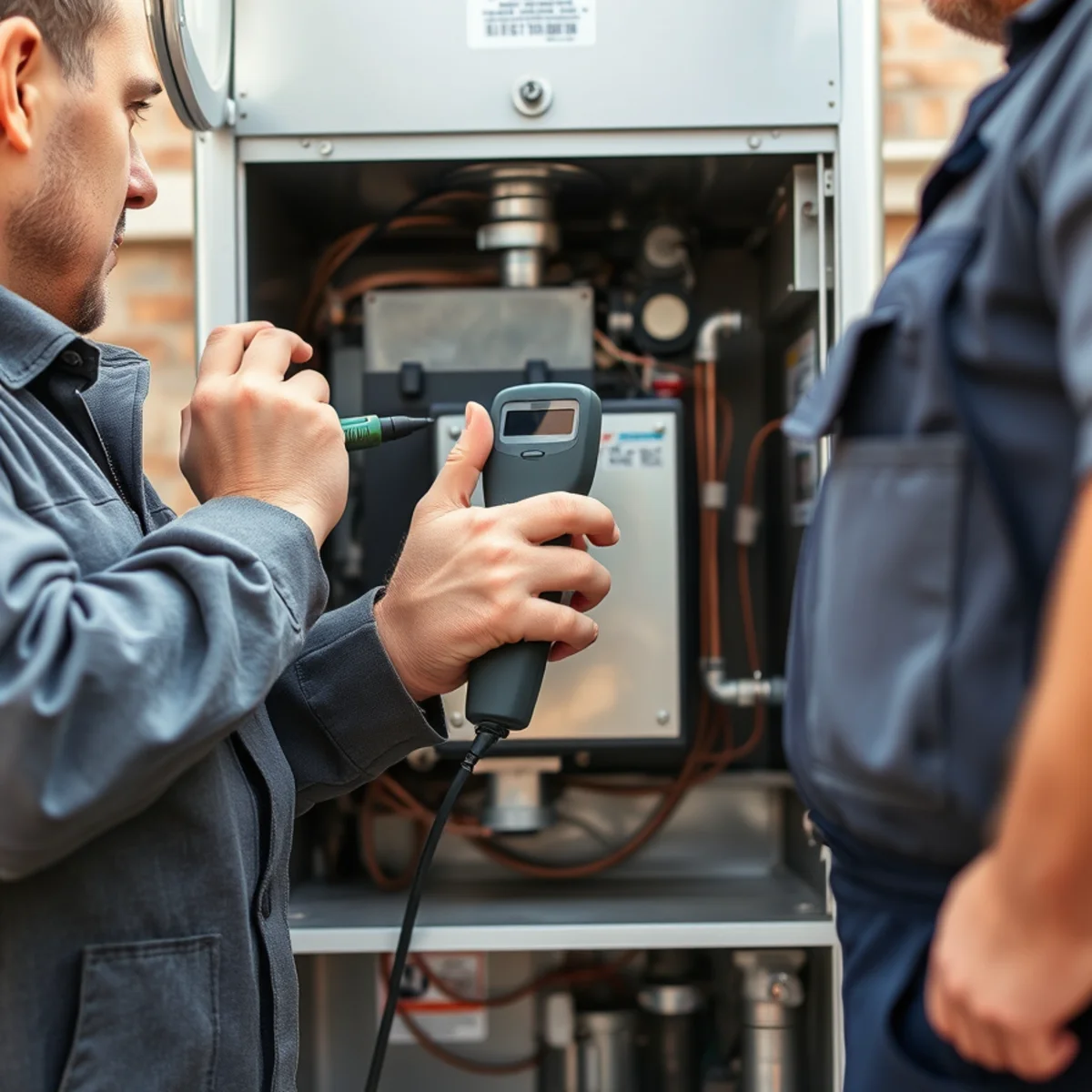
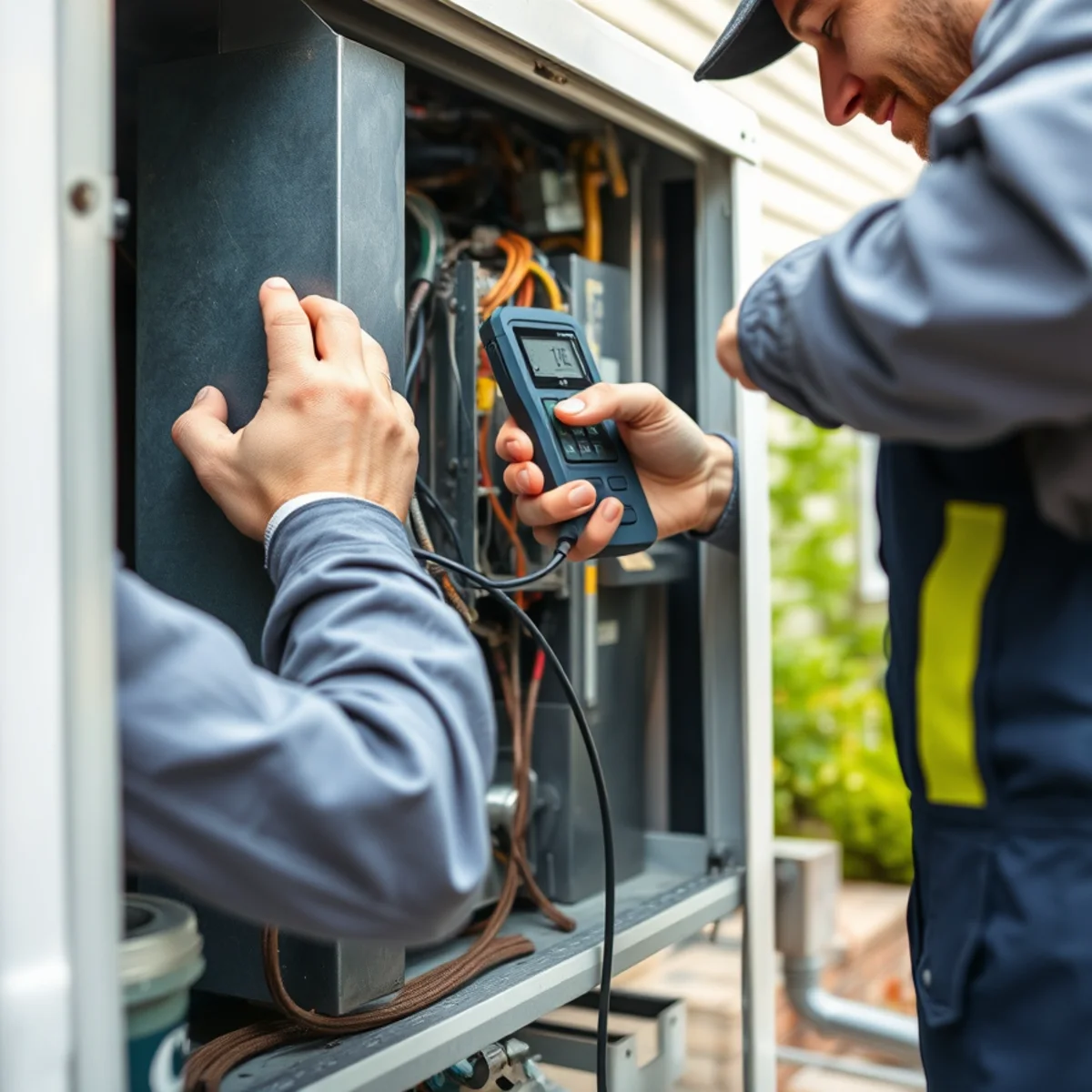
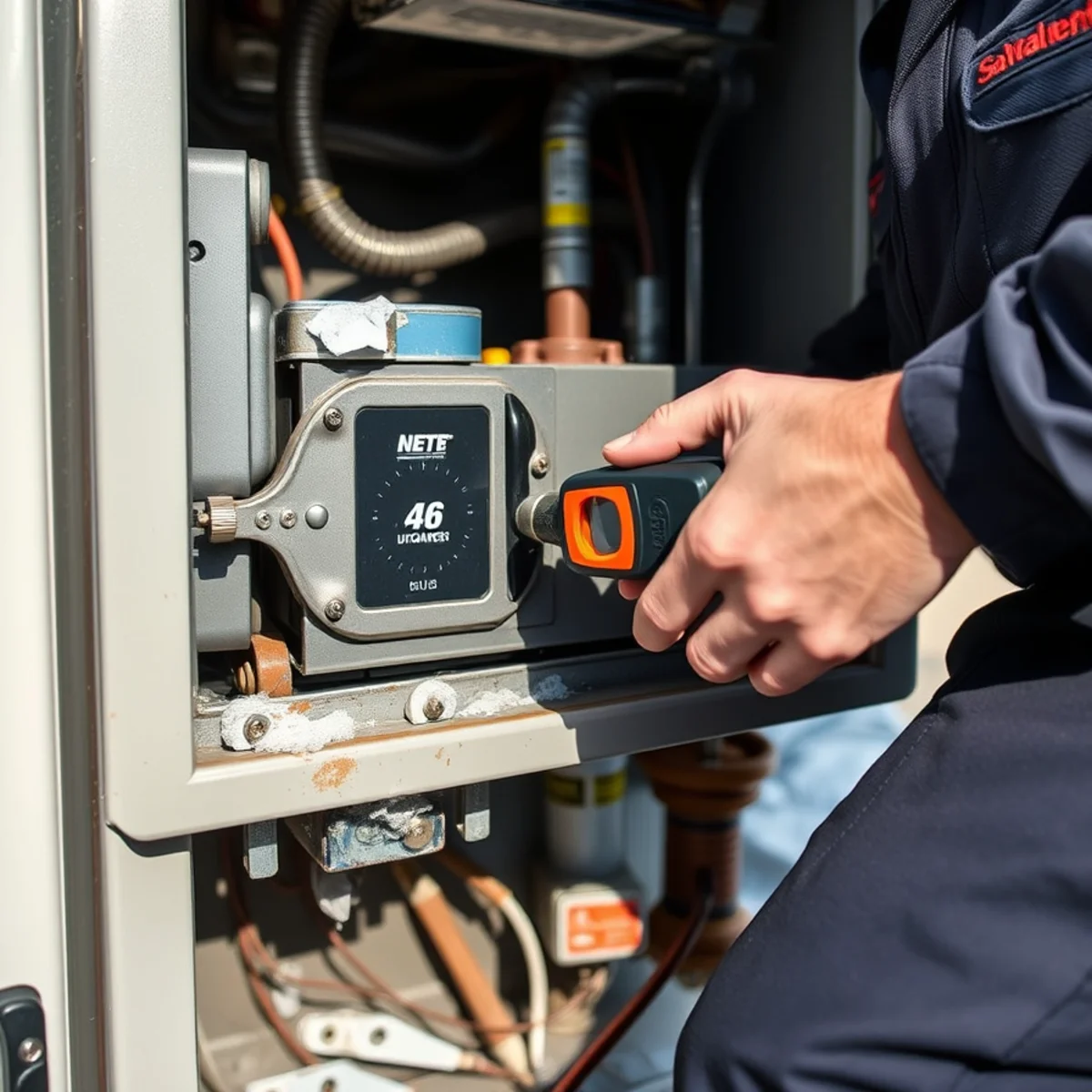
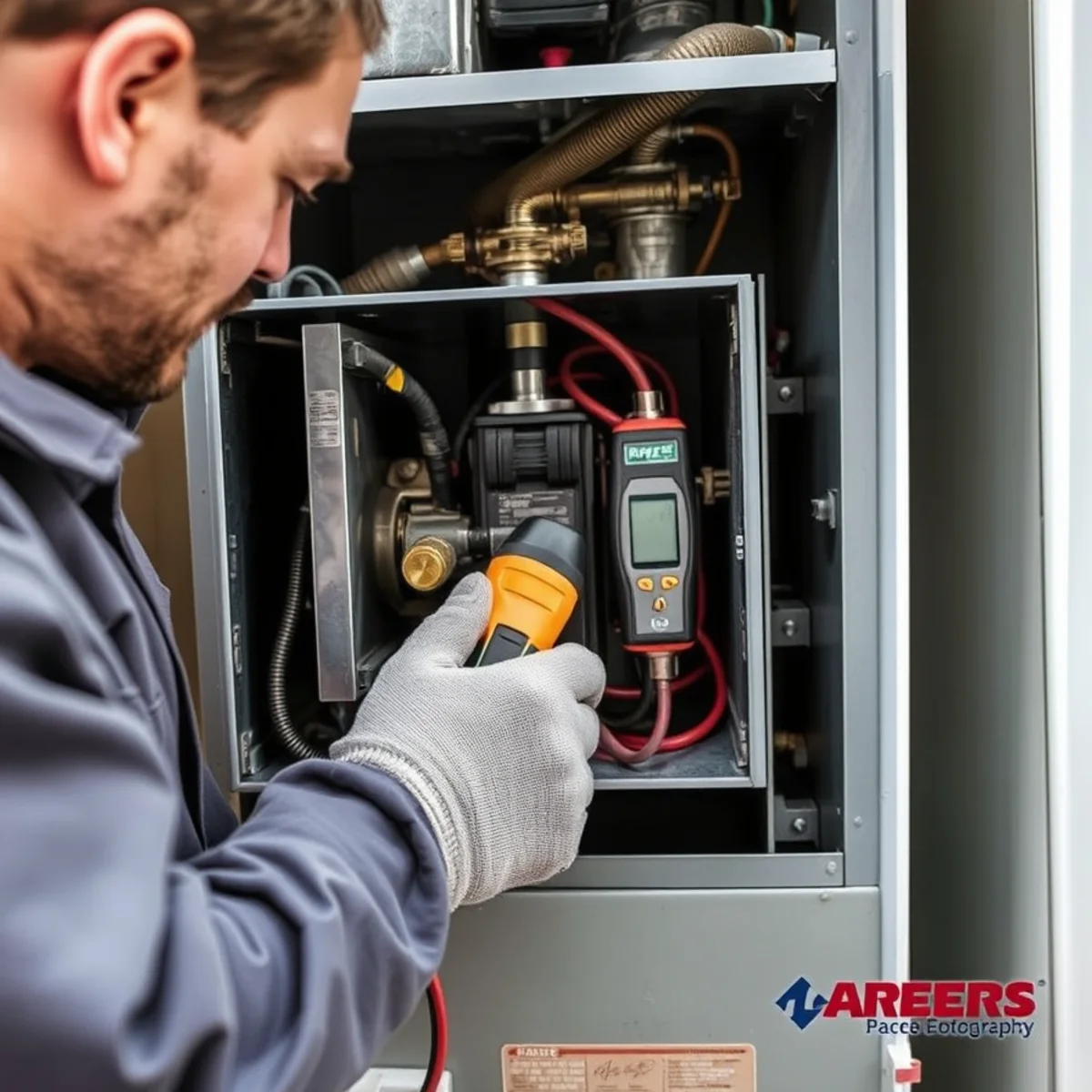
Once the easy airflow items are ruled out, short-cycling moves into territory that needs meters and combustion tools, not guesswork. A technician will measure the temperature rise across the heat exchanger, test the flame-sensing microamps, check gas pressure, verify the pressure switch and inducer, and inspect the heat exchanger itself. These steps separate a $150 flame-sensor cleaning from a safety issue that means the furnace should not run at all.
This is also where honesty matters. A dirty flame sensor is a cleaning, not a new furnace. A cracked heat exchanger is a genuine replacement conversation. We show you the actual reading and the actual part before we quote anything — the same diagnose-first approach we bring to every call across Cumberland County.
How to keep it from coming back
Most short-cycling traces back to a wear item or a maintenance miss that a seasonal check would have caught: a marginal flame sensor, a filter changed too rarely, a drain line that never got cleared. A fall HVAC maintenance and tune-up cleans the flame sensor, clears the condensate path, checks the high-limit and pressure switches, and measures temperature rise — the exact items that cause winter short-cycling. It is the difference between catching the problem in October and getting stranded on the coldest night in January.
If your furnace is already cycling and a filter change did not settle it within a cycle or two, do not let it hammer itself through the night. Turn it off and call HVAC Mechanicsburg PA at +1 (327) 210-5999 — we would rather find a flame sensor than a heat exchanger.