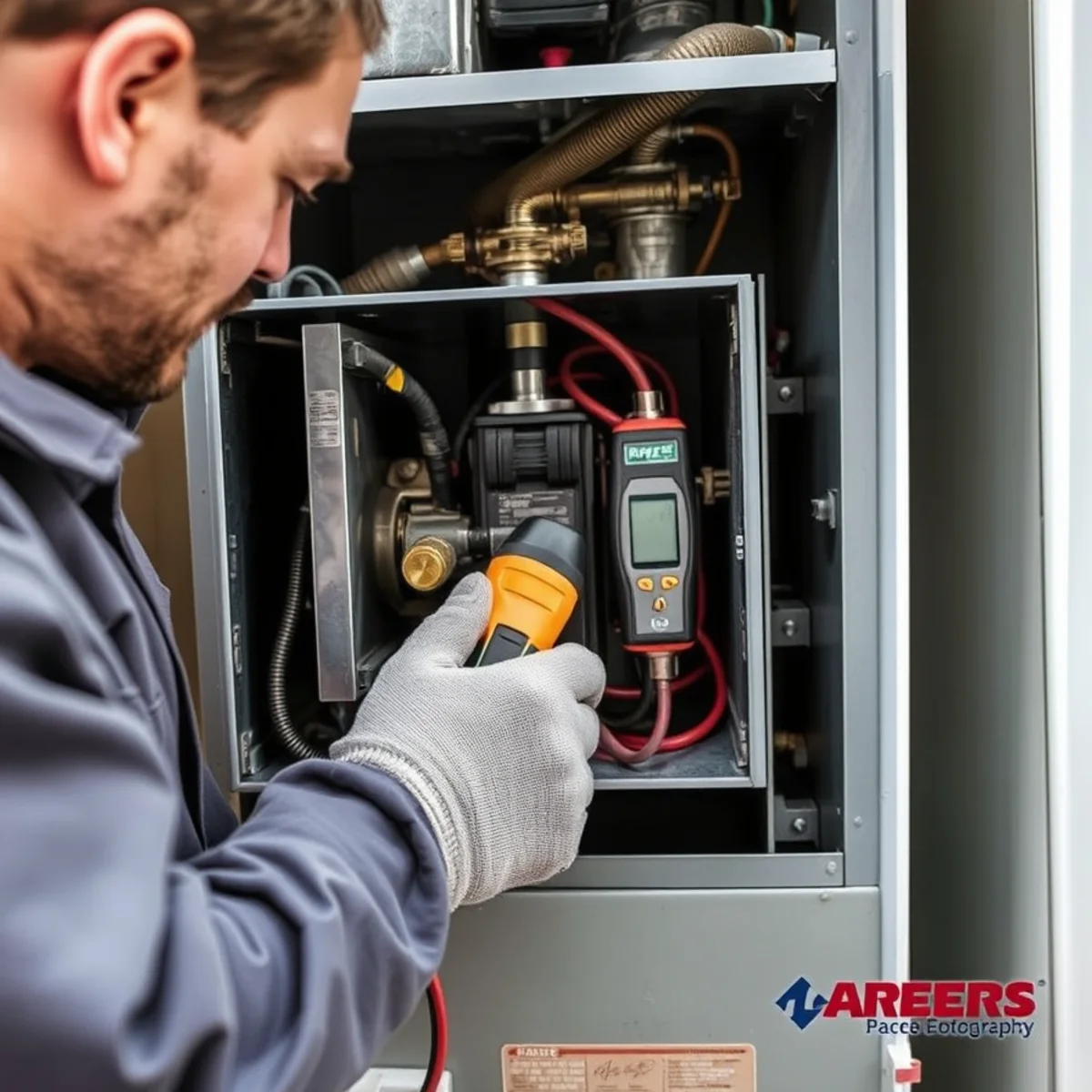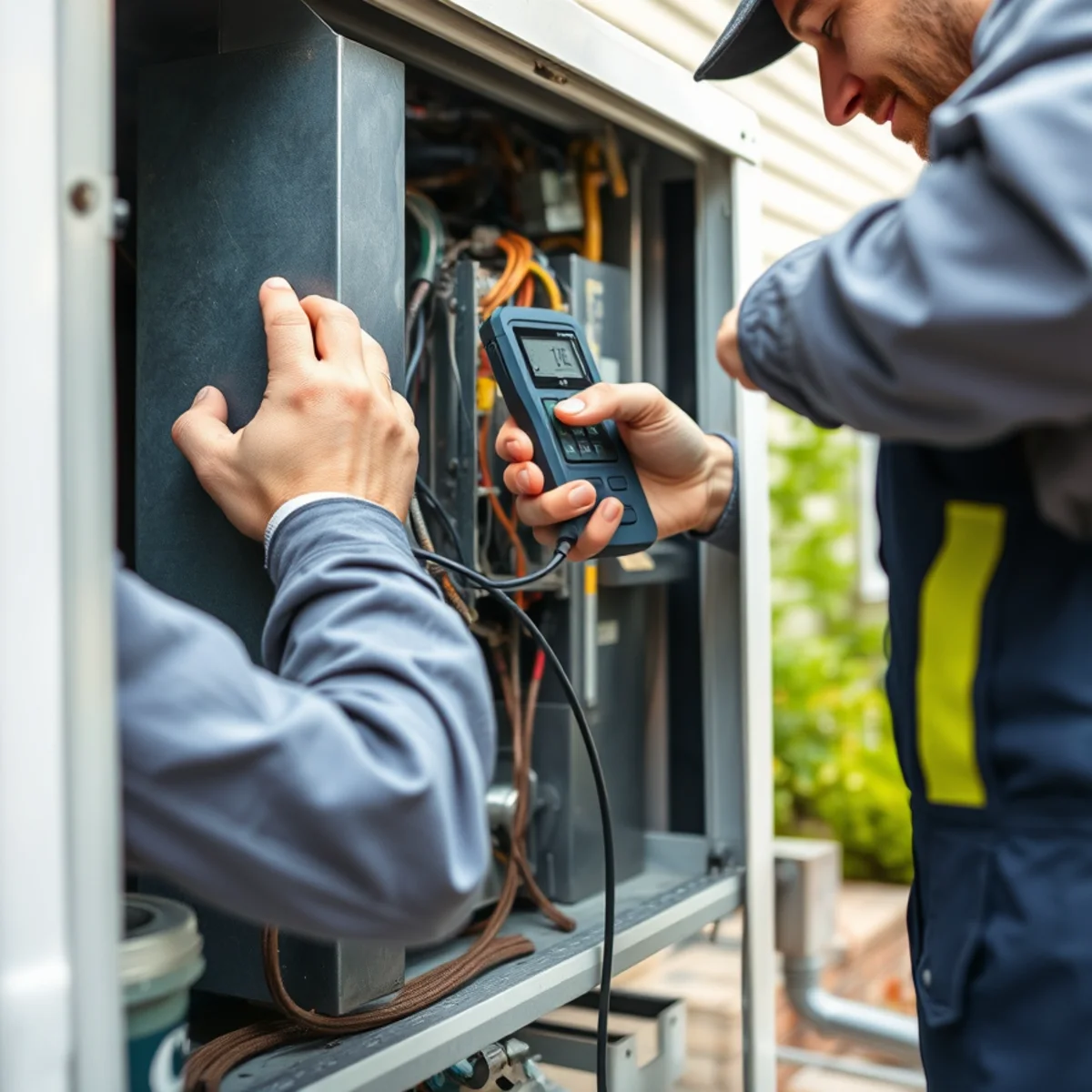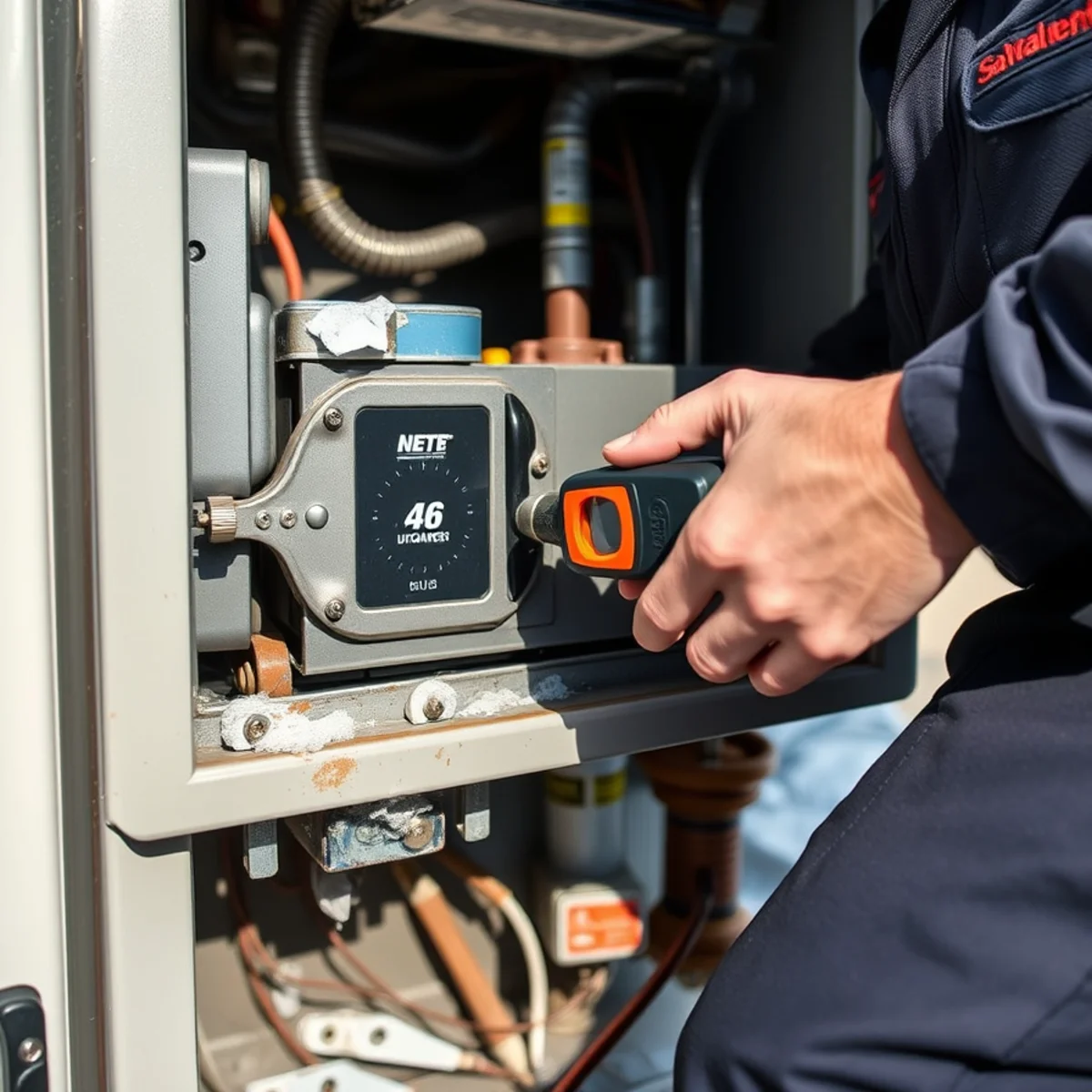
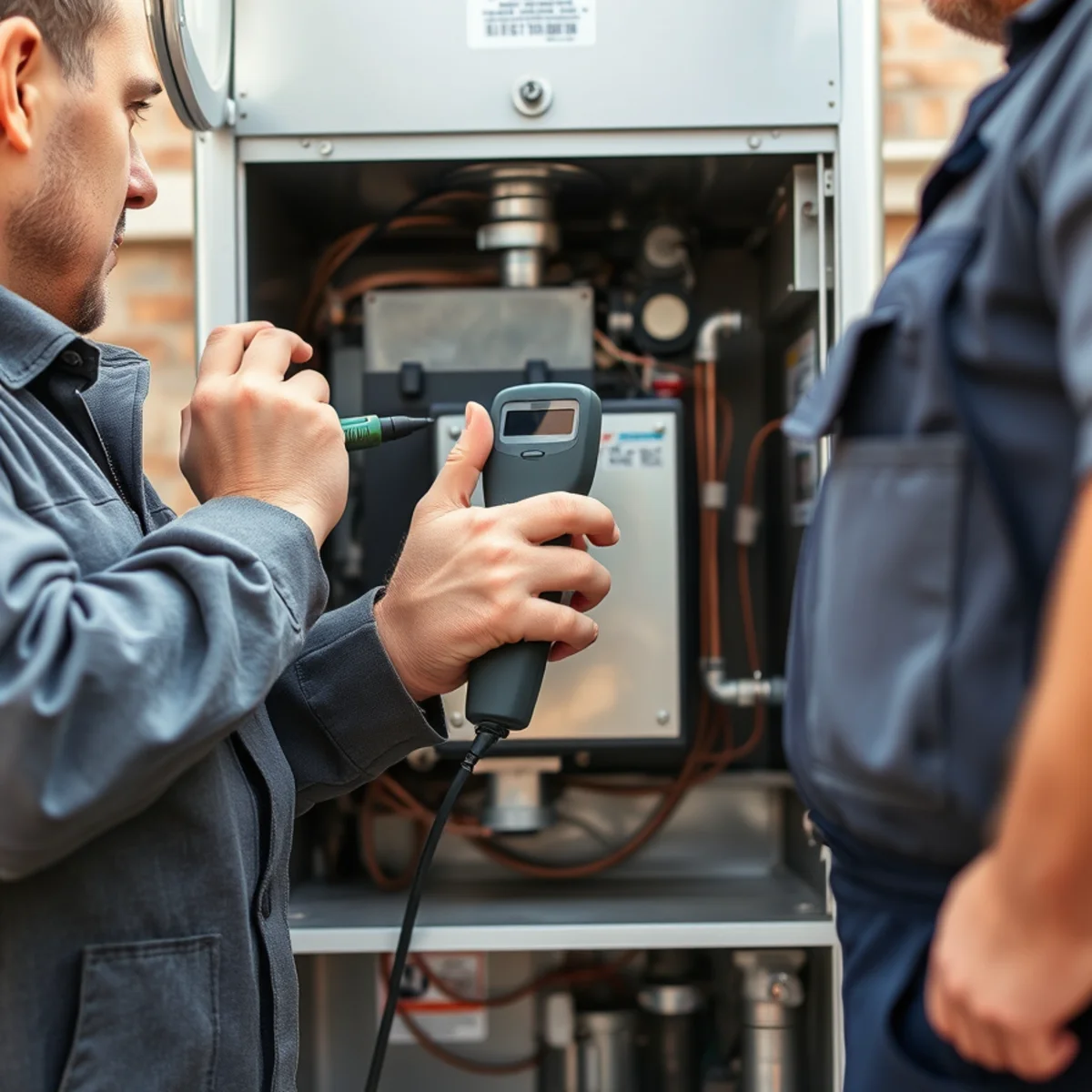
The boiler in an older downtown Mechanicsburg home is supposed to be a quiet workhorse. So when it starts banging like someone is hitting a pipe with a hammer, or whistling and rumbling like a kettle about to boil, or gurgling every time the heat comes on, it gets your attention — usually at 5 a.m. when the first heating cycle of the day fires. The instinct is to worry the whole system is about to fail. Usually it is not. A boiler is one of the most communicative appliances in the house: each noise points to a specific, fixable cause.
Below is how to translate what you are hearing. These systems are common in the historic core of downtown Mechanicsburg, where cast-iron radiators and hot-water loops have been heating brick homes for generations, so we diagnose these sounds constantly.
Banging and knocking
A sharp bang or knock — sometimes called “water hammer” — usually happens as the boiler fires up or shuts down. In a hot-water (hydronic) system, it is most often trapped air or steam pockets collapsing inside the pipes, or a circulator and check-valve issue causing water to slam to a stop. In a steam system, banging almost always means condensate is trapped where it should be draining: a radiator or steam main pitched slightly wrong, so water pools and the incoming steam hammers into it.
Banging is rarely an emergency, but it is not something to live with for years. Water hammer stresses joints and fittings over time, and in a steam system it is a sign the system is not draining the way it was designed to.
What banging usually points to
- Trapped air in a hot-water loop that needs bleeding at the radiators
- A steam radiator or main pitched wrong, so condensate cannot drain back
- A failing circulator pump or stuck check valve
- Water hammer from valves closing too fast
Kettling — the rumble or whistle
Kettling is exactly what it sounds like: a rumbling, whistling, boiling-kettle noise from the boiler itself. It means water is overheating and turning to steam inside the heat exchanger when it should not be. The most common cause is scale and sediment — mineral buildup on the heat exchanger surface that traps heat and creates hot spots. Mechanicsburg sits on limestone-influenced groundwater, so hard-water scale is a genuine local factor in these systems. Kettling can also come from restricted flow (a partly closed valve, a failing pump, or sludge in the system) that lets water sit and overheat.
A kettling boiler is running hotter internally than it should. Left alone, that thermal stress shortens the heat exchanger’s life and drives up fuel use, and in some systems it can trip the high-limit and cause lockouts. If yours is kettling, have it looked at before the deep-winter demand rather than after. Do not simply turn the boiler temperature up to “push through” the noise — that makes the overheating worse.
Gurgling and dripping
Gurgling — a trickling, sloshing sound in the boiler or radiators — points to air where water should be, or low system pressure. Air gets into a hydronic loop over time, collects at high points, and gurgles as water tries to move past it. It is often paired with cold spots at the top of radiators. Gurgling can also signal that boiler pressure has dropped too low, which starves parts of the loop. If you are also hearing dripping or seeing water near the boiler, that is a leak worth prompt attention — constantly adding water to replace a leak accelerates internal corrosion.
What you can safely check
- 1Check the boiler’s pressure gauge. A cold hydronic system typically reads around 12 psi; if it is far below that and you are hearing gurgling, low pressure is likely part of the story.
- 2Feel your radiators once the heat has been on a while. Cold at the top but warm at the bottom usually means trapped air that needs bleeding.
- 3Bleed a radiator if you are comfortable doing it: with a radiator key, open the bleed valve slightly until air hisses out and water begins to seep, then close it. This can quiet gurgling and cold-spot complaints.
- 4Listen for whether the noise happens on startup (often air or hammer) versus constantly during a burn (more likely scale or flow).
What needs a professional
Bleeding a radiator is homeowner-friendly. Descaling a heat exchanger, correcting steam-main pitch, replacing a circulator or expansion tank, chasing a pressure leak, or flushing a sludged system is not — those need the right tools and an understanding of near-boiler piping. When another company reacts to any boiler noise by recommending a full replacement, get a second opinion. A well-built cast-iron boiler can outlast several furnaces, and most of these noises are service items, not a reason to tear out a working system. That is the heart of our approach to boiler repair and service: fix the cause, preserve the system.
If your boiler is kettling, banging hard enough to rattle the pipes, or leaking, do not wait for a January cold snap to force the issue. Call HVAC Mechanicsburg PA at +1 (327) 210-5999 and describe the exact sound and when it happens — it helps us arrive with the right parts.