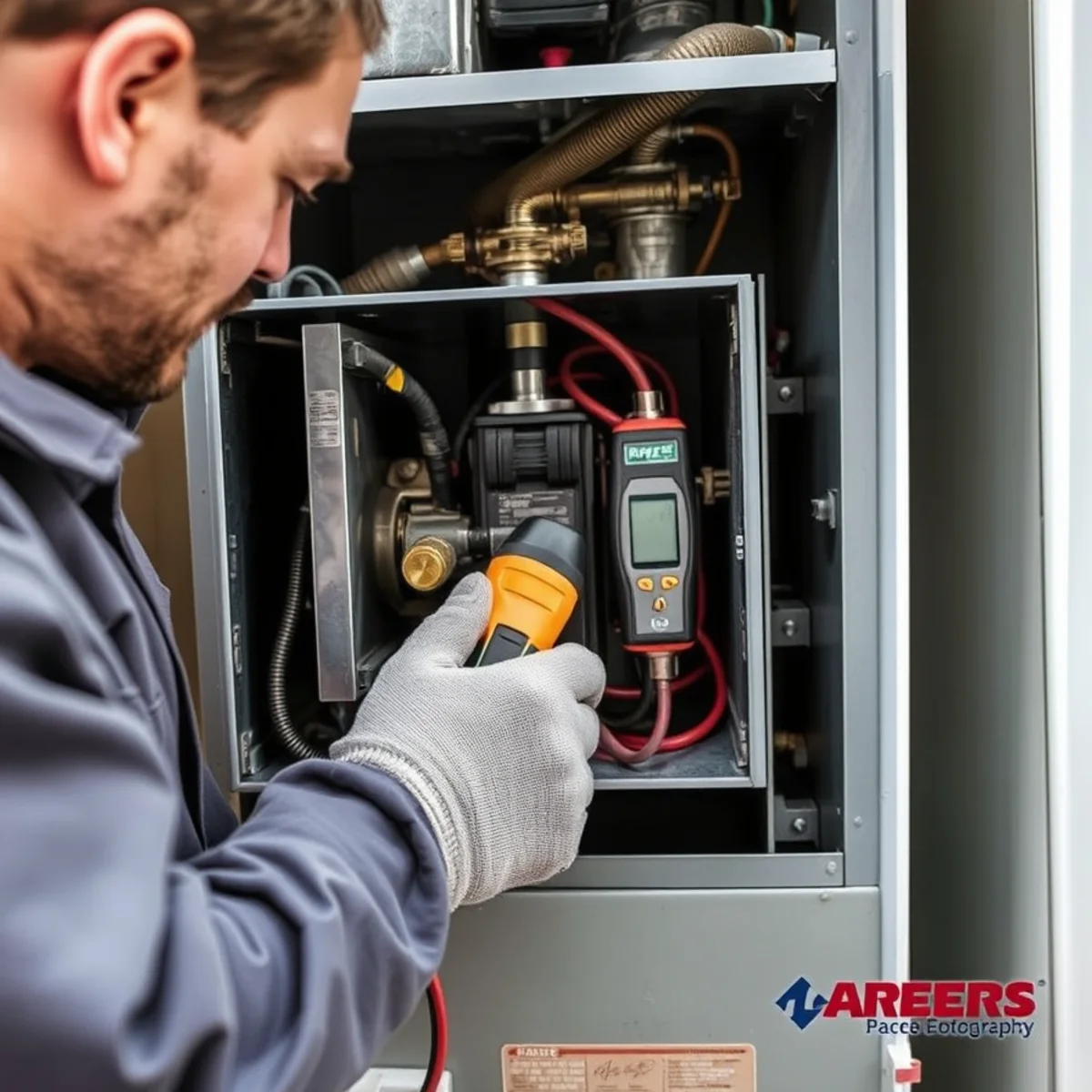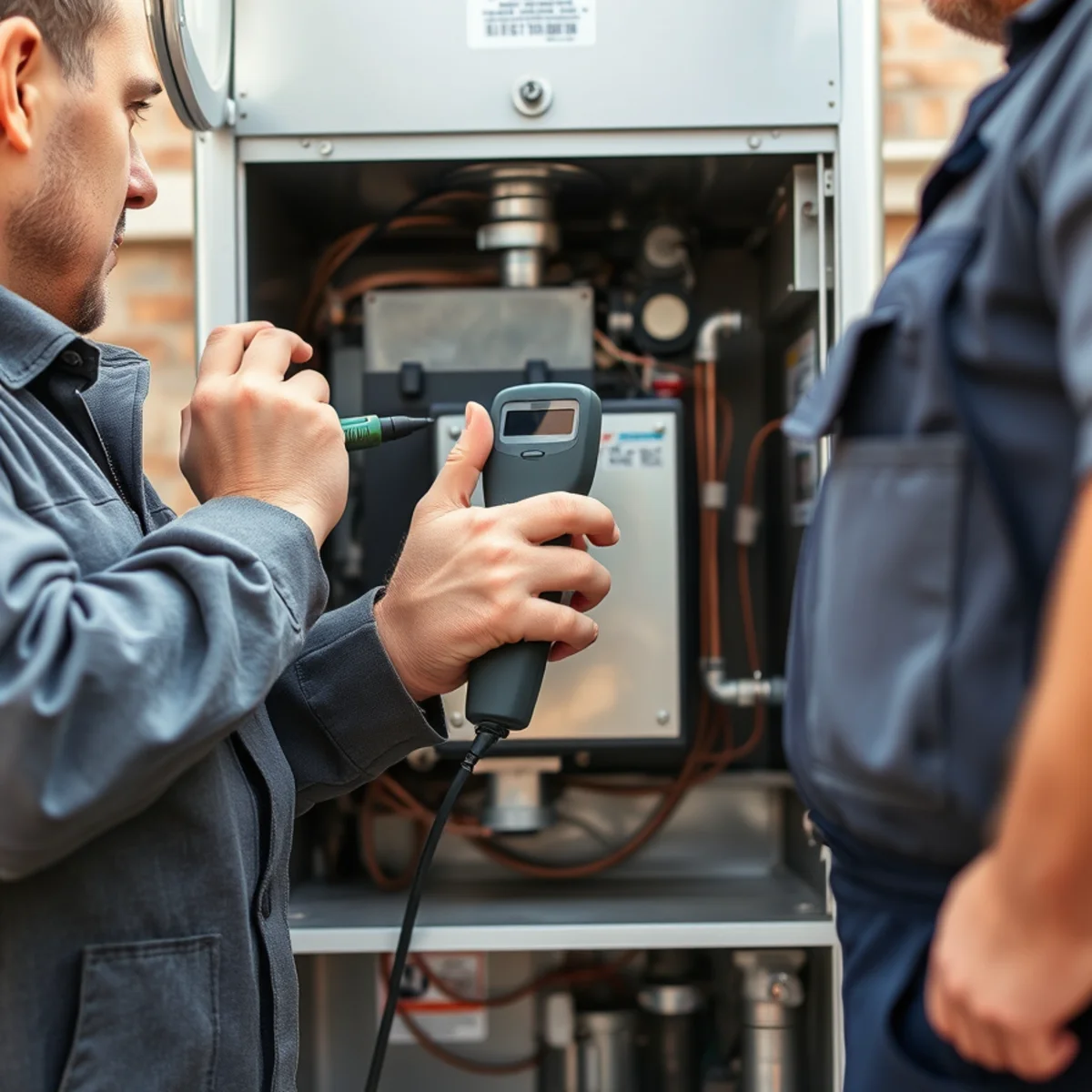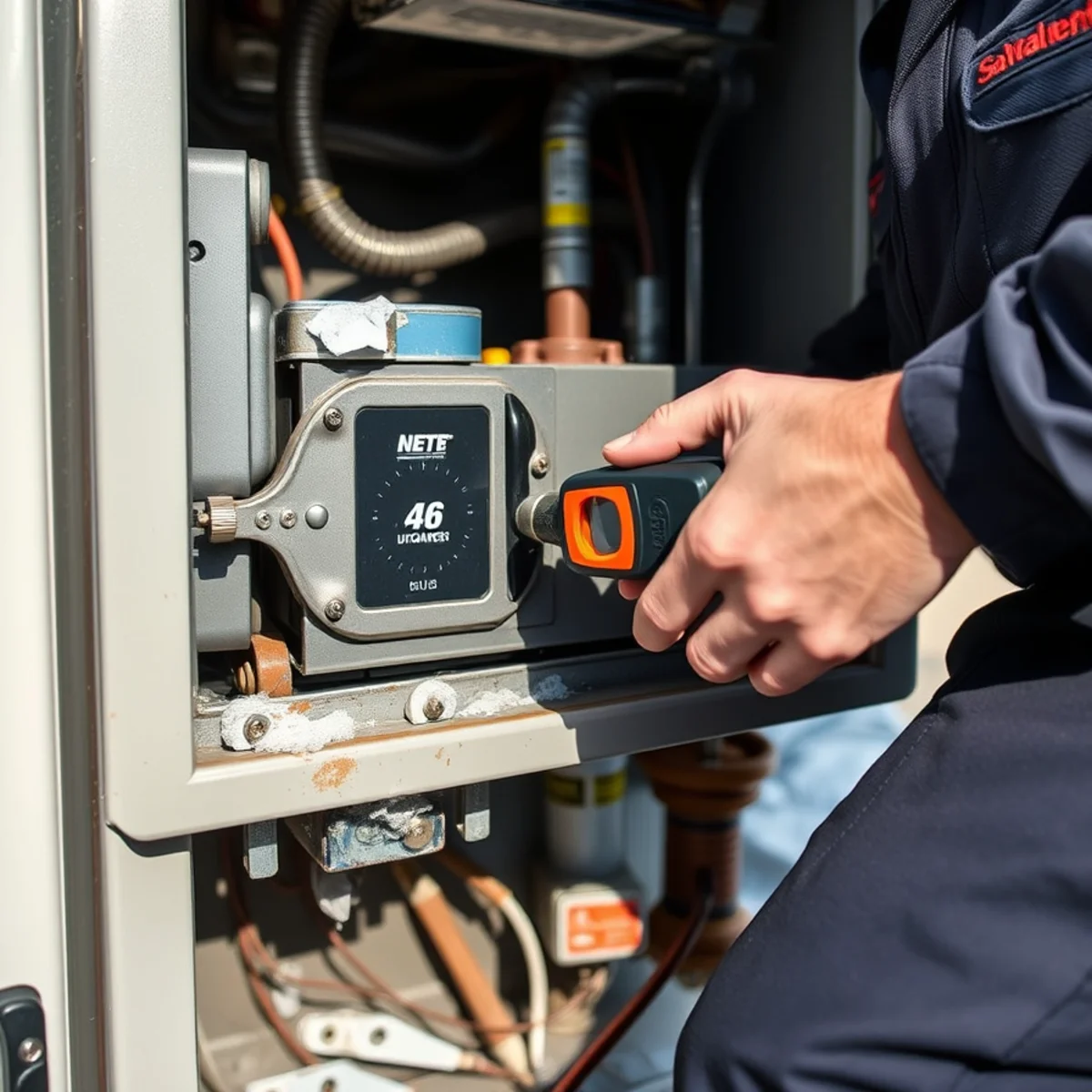
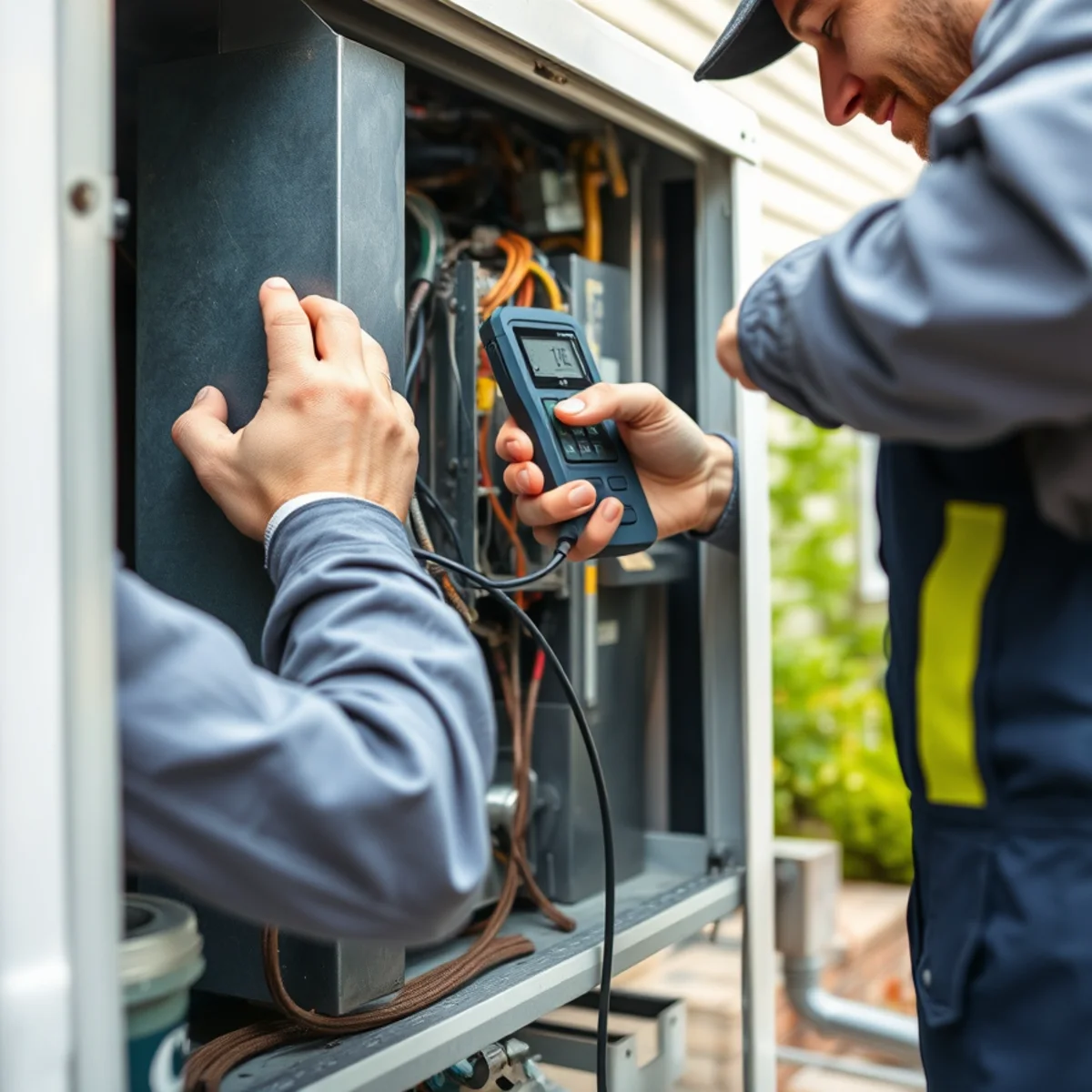
It is a muggy July afternoon in Mechanicsburg. Your air conditioner has been running for hours — you can hear the outdoor unit humming — but the house still feels warm and sticky. The thermostat insists it is 72 degrees, yet your skin says otherwise, and the electric bill keeps climbing. Frustrating does not cover it. Before you assume the system is broken or undersized, understand this: in Cumberland County’s humid summers, “not cooling” is very often a humidity problem wearing a temperature costume.
Mechanicsburg averages around 14 muggy-or-worse days in July, with highs near 87.6°F and dew points that make the air feel heavy. In that climate, how well your AC removes moisture matters as much as how cold the air is. Let us walk through why.
Temperature and humidity are two different jobs
Your thermostat measures dry-bulb temperature — how hot the air is. But human comfort depends heavily on humidity, because your body cools itself by evaporating sweat, and it cannot do that efficiently when the air is already saturated. A room at 72°F and 65% relative humidity feels clammy and warm; the same 72°F at 45% humidity feels crisp and comfortable. Same number on the thermostat, completely different comfort.
A working air conditioner does two things at once. It lowers the air temperature, and — critically — it pulls moisture out of the air as that air passes over the cold evaporator coil, where water condenses and drains away. If your system is hitting the temperature target but not running long enough or coldly enough to wring out the moisture, you get exactly what you are feeling: a “cool” number on the thermostat and a house that still feels like a swamp.
Why an oversized AC makes humidity worse
This is the counterintuitive part, and it is the single most common cause we find in the field. An air conditioner that is too large for the home cools the air near the thermostat very quickly, satisfies the temperature call, and shuts off — all before it has run long enough to dehumidify. Dehumidification happens gradually, over a long, steady run. A short, powerful blast drops the temperature but barely touches the moisture. So the house hits 72°F, the AC stops, the humidity stays high, and it feels awful.
This is why bigger is not better, and why we size replacements with a Manual J load calculation rather than the “more tons to be safe” approach. A right-sized system — or a two-stage/variable-speed unit that runs longer at lower output — is what actually controls summer humidity. We lay this out in detail in why rule-of-thumb sizing fails in older homes.
The other reasons an AC runs but does not cool
Humidity is the big one, but a system that runs without cooling can also point to more direct faults:
- Low refrigerant from a leak — the system runs but cannot absorb heat, and you may see ice on the coil or line.
- A frozen evaporator coil — restricted airflow or low refrigerant turns the coil into a block of ice, and ice does not cool the house.
- A dirty condenser coil outside — caked with grass clippings and cottonwood, it cannot dump heat, so the system runs endlessly.
- A clogged air filter or blocked returns — starving airflow drops capacity and can freeze the coil.
- A failing capacitor or contactor — the unit hums or the fan struggles, and cooling falls off.
If you spot ice on the indoor coil or on the refrigerant line running to the outdoor unit, turn the air conditioner off and let it thaw completely before running it again. Running a frozen system forces liquid refrigerant back to the compressor, and a slugged compressor is a repair that can run into the thousands instead of the hundreds. Switch the fan to “on” to speed the thaw, then call for AC repair.
What you can safely check
- 1Replace the air filter if it is dirty — restricted airflow is the most common airflow cause and can freeze the coil.
- 2Go outside and look at the condenser: clear grass, leaves, and cottonwood fluff from the fins, and make sure nothing is blocking airflow within a couple of feet.
- 3Confirm every supply register is open and returns are not blocked by furniture or rugs.
- 4Check the thermostat is set to “Cool” and the fan to “Auto” (leaving the fan on “On” can re-evaporate moisture off the coil back into the house).
- 5Note the humidity if your thermostat shows it — if it reads above roughly 55% indoors while the AC runs, dehumidification is your issue, not raw cooling.
When it is a humidity problem, what fixes it
If the system is mechanically fine but the house stays sticky, the answer is about moisture control, not more cooling capacity. Depending on the home, that means right-sizing at replacement, adjusting fan speed for a longer coil dwell time, or adding a dedicated whole-home dehumidifier through your indoor air quality options. A whole-home dehumidifier lets you keep humidity in the comfortable 45–50% range without overcooling the house — often the most effective fix for a finished basement or an open-plan home in Cumberland County.
If your AC is running non-stop and the house still feels like a locker room, do not just keep dropping the thermostat — you will freeze the coil and drive the bill up without fixing the moisture. Call HVAC Mechanicsburg PA at +1 (327) 210-5999 and we will measure temperature split, refrigerant charge, and humidity to tell you whether it is a repair, a sizing problem, or a dehumidification fix.