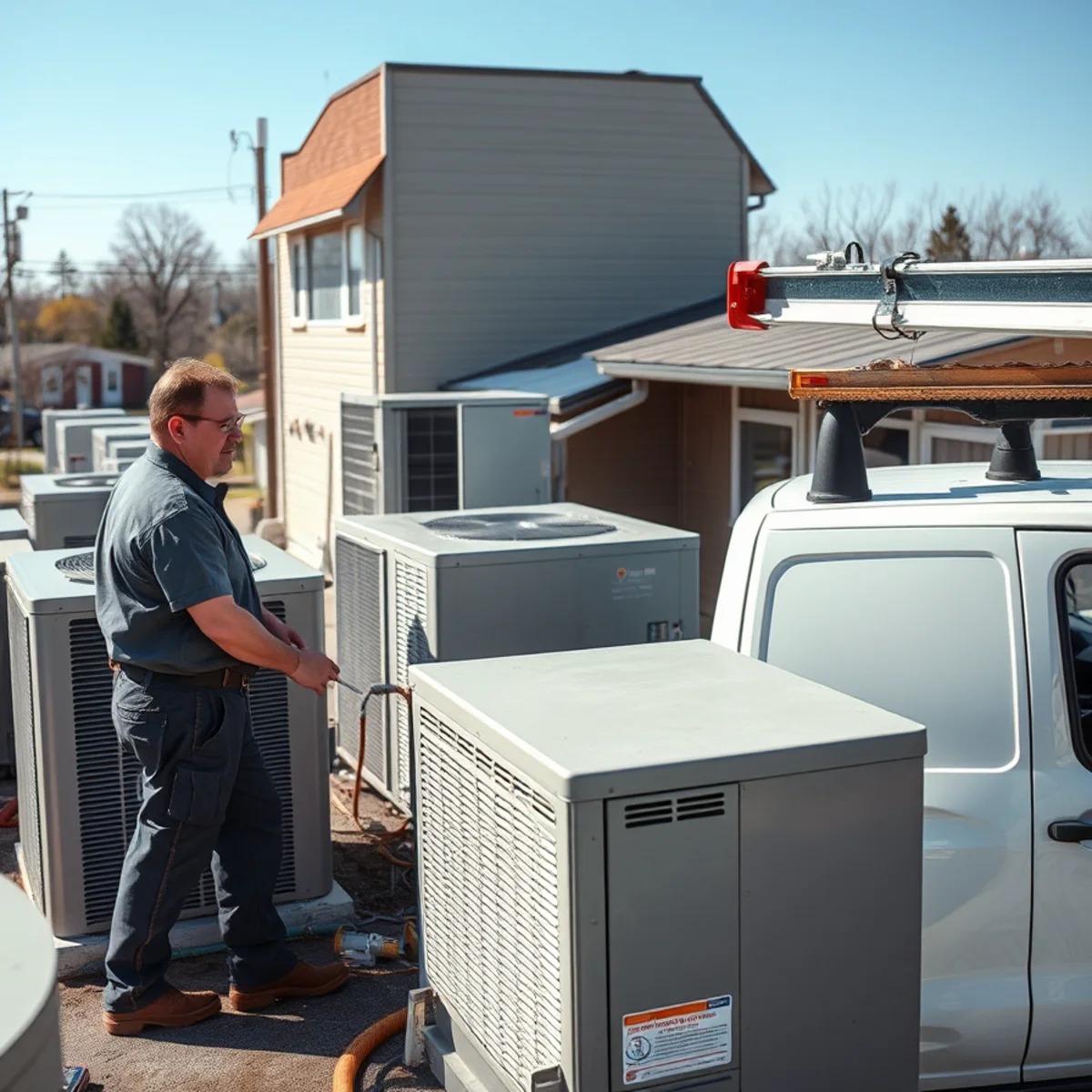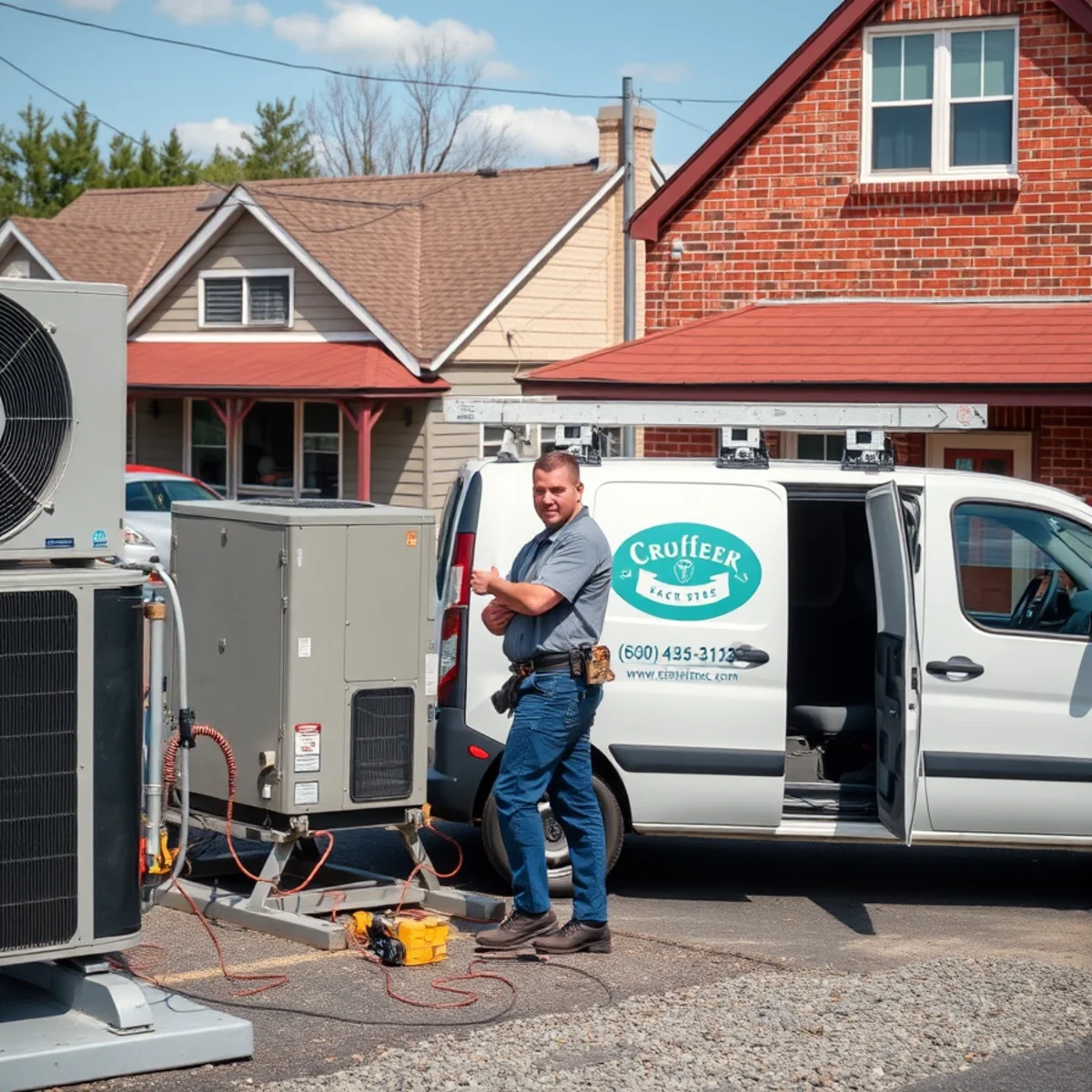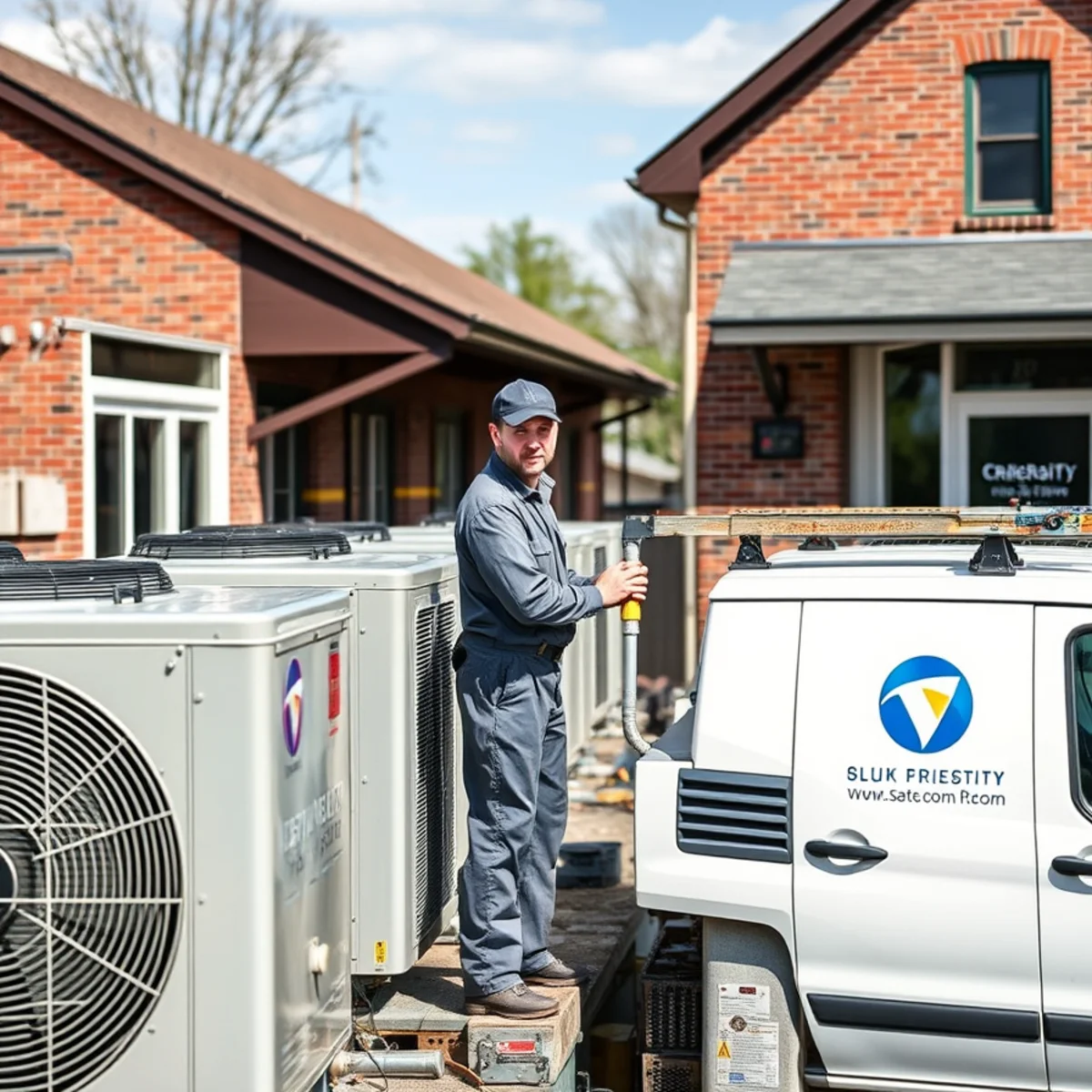
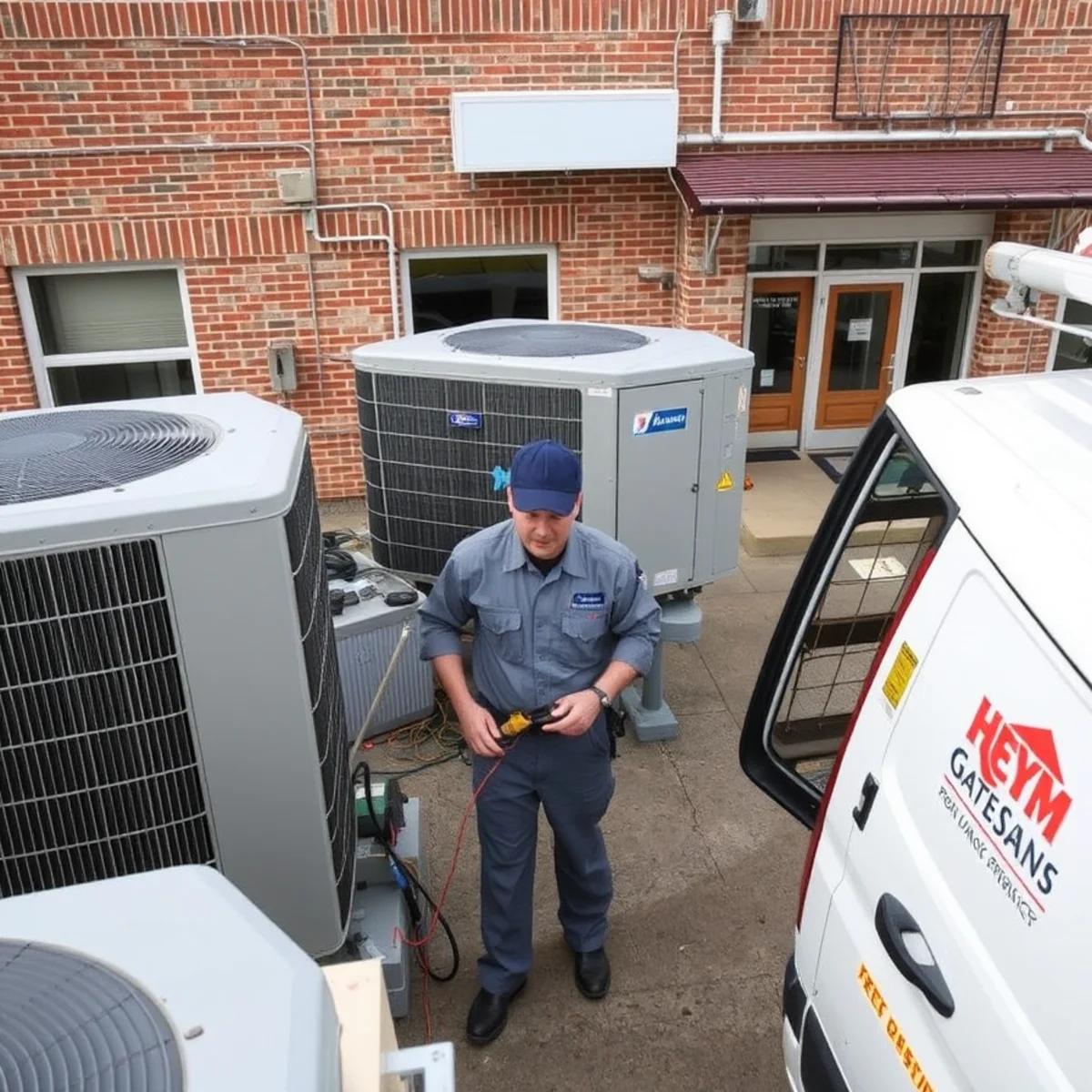
For a Mechanicsburg apartment building, the HVAC strategy you choose shapes your cost, your tenants' comfort, and the number of billing disputes you field for years. Get it right and the building runs quietly in the background; get it wrong and you inherit a maintenance headache and an argument about who pays for heat. The core decision, centralized versus per-unit, sits underneath almost everything else. Our commercial HVAC team helps owners weigh it building by building.
Centralized versus per-unit
A centralized system, a central boiler or plant serving the whole building, concentrates the equipment in one place and can be efficient at scale, but it makes it hard to bill each tenant fairly for what they actually use and leaves the whole building dependent on one system. A per-unit approach, an individual furnace, heat pump, or split system in each apartment, keeps comfort and cost tied to each tenant and isolates failures to a single unit, at the price of more pieces of equipment to maintain.
| Factor | Centralized | Per-unit |
|---|---|---|
| Metering and billing | Hard to allocate fairly | Naturally tied to each tenant |
| Failure impact | Whole building affected | Isolated to one unit |
| Maintenance | One large plant | Many smaller systems |
| Tenant control | Limited, shared | Full control per unit |
| Best fit | Older buildings, some conversions | Most modern multifamily |
Most newer apartment buildings across Cumberland County lean per-unit for exactly these reasons: tenants control and pay for their own comfort, and one failed unit does not take the building down. Some older buildings, especially converted historic structures with existing boiler-and-radiator heat, keep a centralized backbone that is worth preserving rather than ripping out.
Metering: who pays for what
The billing question is where centralized systems get complicated. When one plant heats the whole building, separating each tenant's share is genuinely difficult, and getting it wrong breeds disputes. Per-unit systems on individual electric or gas meters sidestep the problem entirely: each tenant's equipment is on their own utility account, so usage and cost line up automatically. When you are planning a renovation or new build, this alone is a strong argument for a per-unit design.
Where a centralized system stays in place, be transparent with tenants about how heating cost is handled, whether it is folded into the rent or allocated by a documented method. Ambiguity is what breeds the disputes; a clear, written approach keeps them off the property manager's desk in the middle of a cold snap.
Whichever strategy you choose, spell out in every lease who handles filters, who reports problems, who pays which utility, and how after-hours no-heat calls are handled. Clear terms up front prevent most of the HVAC disputes that otherwise land on a property manager's desk in January.
Splitting maintenance responsibilities
Across a multi-unit building, the sensible split mirrors any rental, but the difference at scale is coordination. A scheduled maintenance plan that services every unit on a rotation turns a building full of individual systems into one managed program, with priority response when something does fail. Spell the split out in every lease so it is never in question:
- Tenant: replace filters on a stated schedule, keep vents and returns clear, keep the outdoor unit free of debris, and report problems promptly
- Owner: repairs, replacements, annual professional service, and anything involving gas, combustion, or refrigerant
- Property manager: keep the service rotation on the calendar, track each unit's age and history, and coordinate access
Running every unit on one rotation is also how you avoid the trap of a building where each apartment is serviced only when it breaks. A rotation catches the worn igniter and the clogged drain across the whole building on a predictable schedule, which is exactly what keeps the emergency calls rare and the budget steady.
Standardize your equipment
One quiet advantage of a per-unit building is standardization. When every apartment runs the same model, your technician stocks the right parts, diagnosis is faster, and filter sizes are uniform across the whole building. Whether you are outfitting a new build or replacing aging units over time, choosing a consistent, right-sized system, backed by proper residential HVAC service inside each apartment, pays off every turnover and every repair call.
Standardization pays off at turnover too. When you already know the make, model, and filter size in every apartment, prepping a vacant unit is faster and your parts inventory is simpler. Those small efficiencies compound across a building and across the years, and they are the kind of unglamorous detail that keeps a multi-unit property profitable over the long run.
Retrofitting an older building
Not every building starts from a clean sheet. Many Mechanicsburg conversions carry a centralized boiler serving radiators, and the question is whether to preserve it or move toward per-unit systems over time. A well-built cast-iron boiler can have decades of life left, so ripping it out is rarely the first move. More often the right path is to keep the centralized heat working while adding per-unit cooling, then transition individual apartments to self-contained systems as equipment reaches end of life and units turn over, spreading the cost over years instead of taking it all at once.
Plan replacements building-wide
In a building where units were installed together, they tend to age together, which means replacements cluster. Rather than reacting to each failure, budget a rolling replacement schedule and use each vacancy as the window to swap the oldest units. Our between-tenants HVAC checklist is the tool for that, turning turnover downtime into planned capital work instead of emergency spending. Handled this way, multi-unit HVAC becomes a predictable line item rather than a recurring surprise.