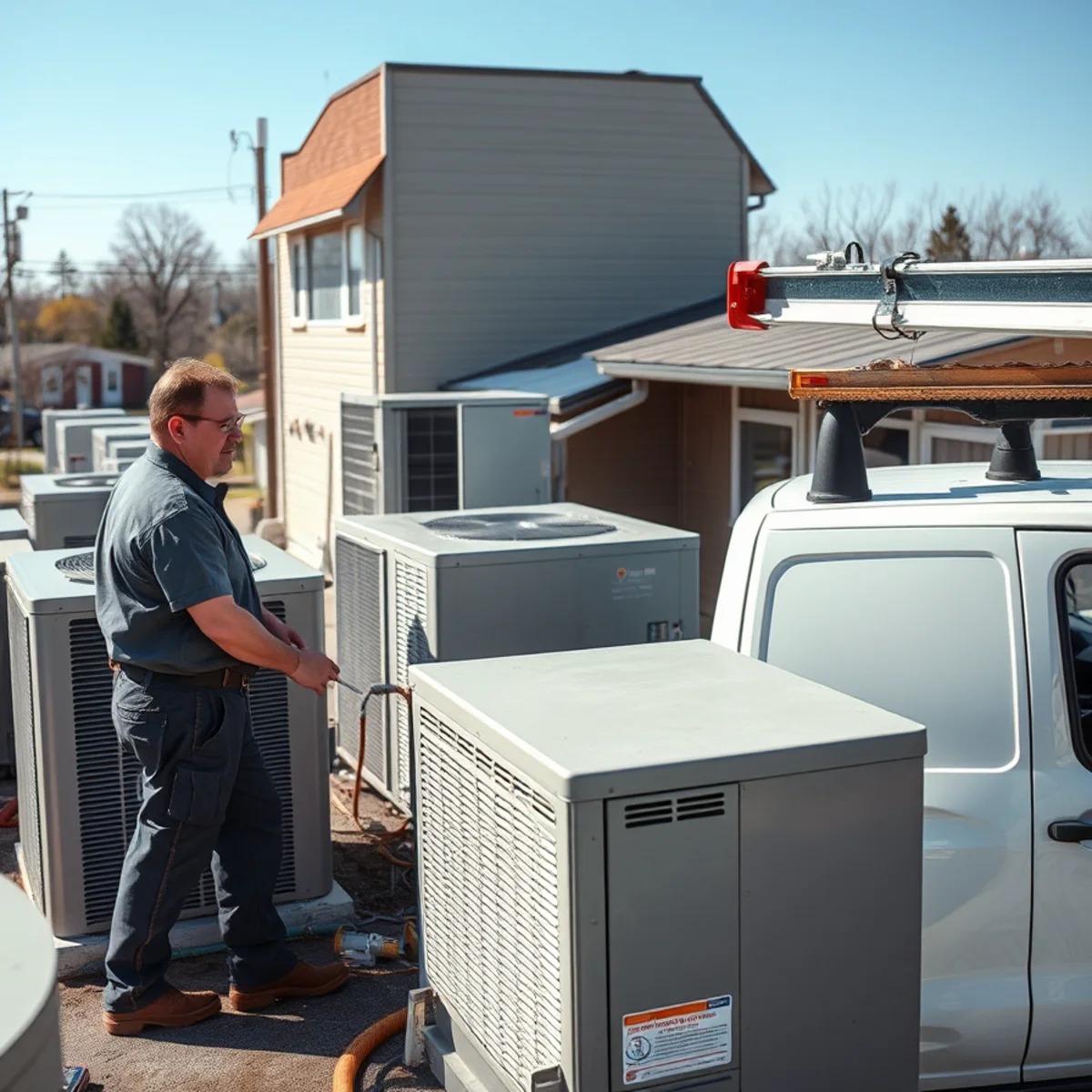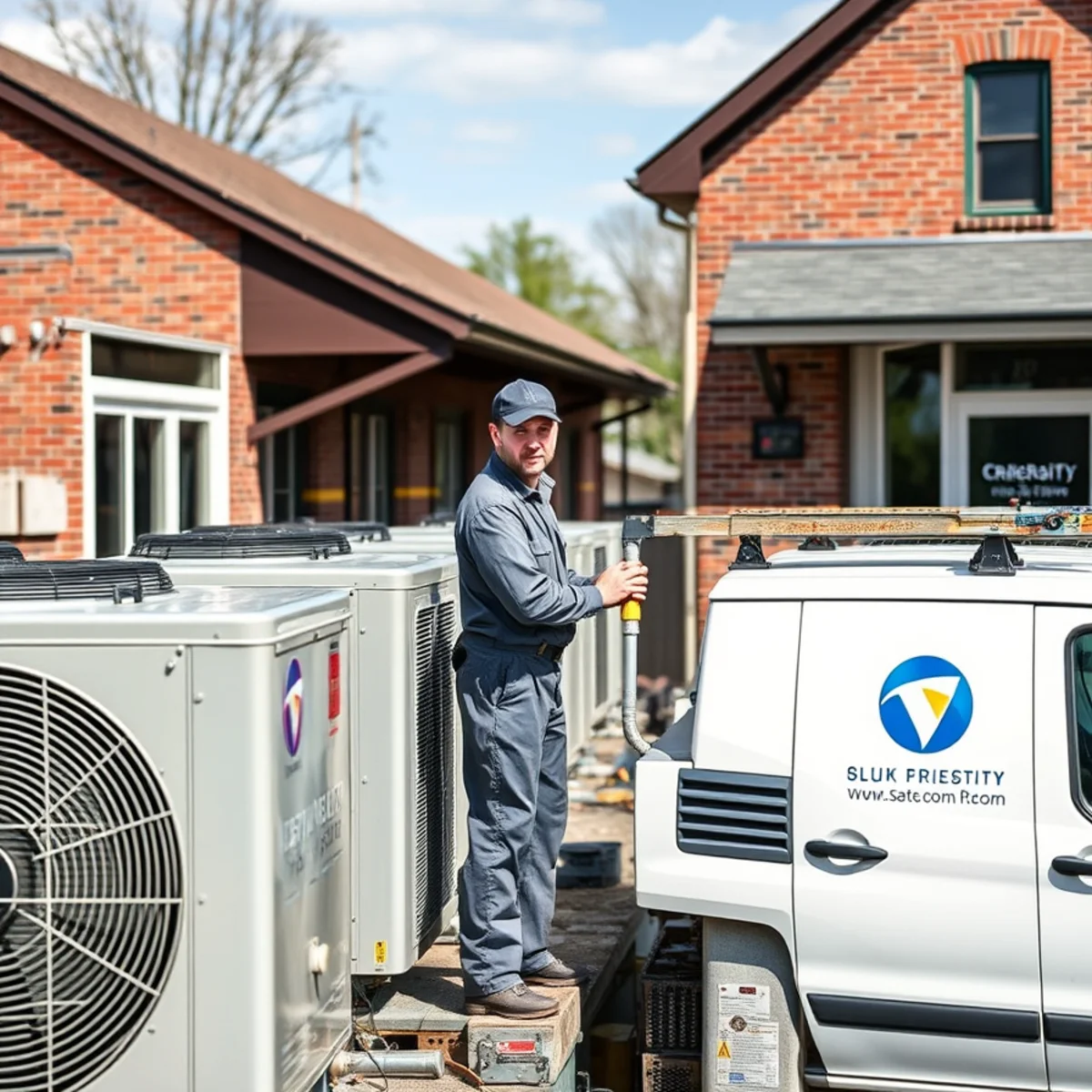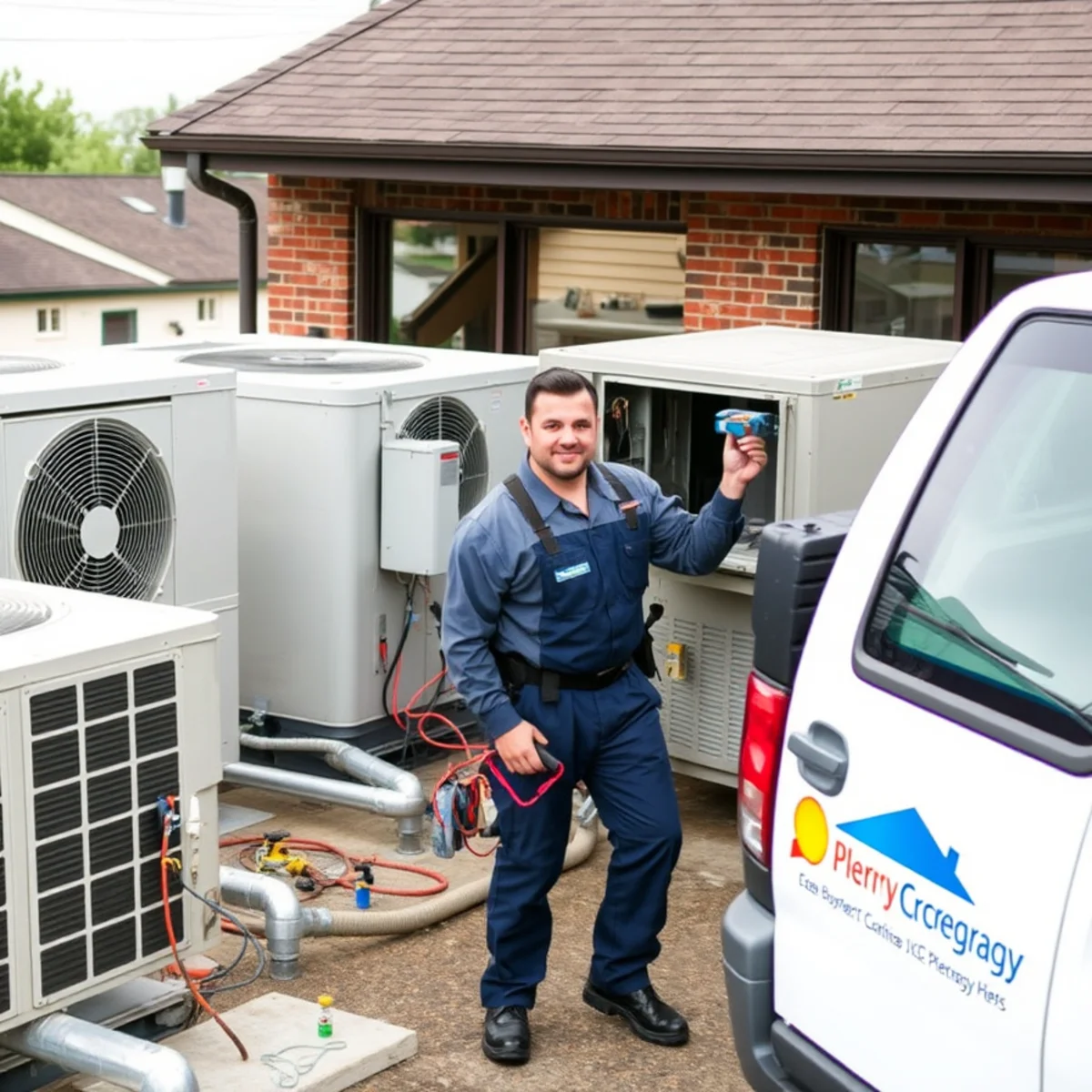
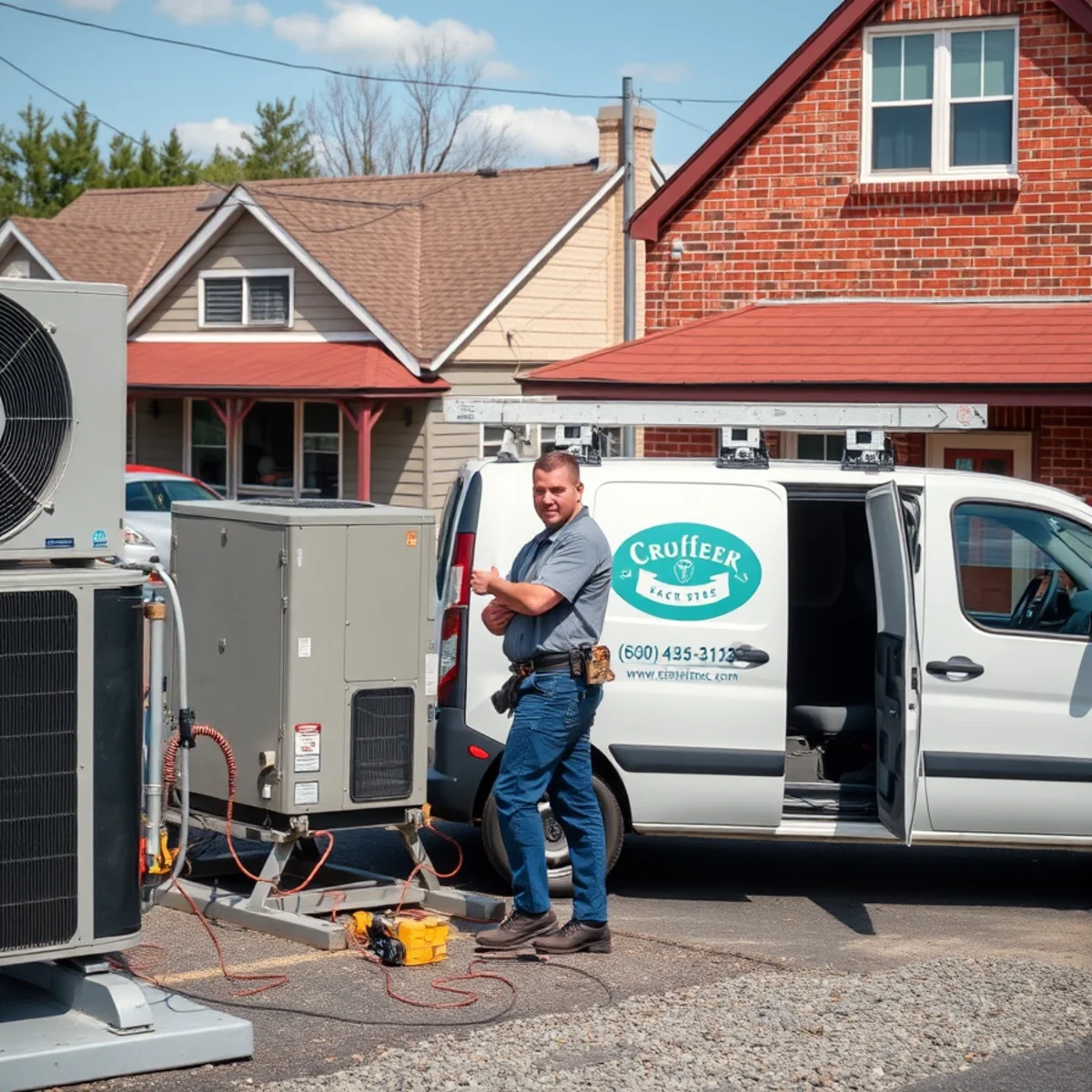
For a rental property, the HVAC system is one of the largest capital items you own and one of the easiest to mismanage. Defer maintenance and you trade a small predictable cost for a large unpredictable one, usually at 2 a.m. in January when a tenant has no heat and every right to call. This guide walks Mechanicsburg landlords through controlling that cost, splitting responsibilities clearly, and keeping units rentable.
Know what you actually own
Before you can budget, document the equipment in each unit: the type of system, its approximate age, the fuel, and the last time it was serviced. Many Mechanicsburg rentals, from the older twins and rowhomes near Koser Park to newer townhome builds, run a mix of gas furnaces, heat pumps, boilers, and window or split AC. A single spreadsheet of make, model, install year, and filter size turns HVAC from a series of surprises into a plannable line item.
Who is responsible for what
In Pennsylvania, a landlord is generally responsible for keeping the heating system in safe working order under the implied warranty of habitability. Beyond that legal floor, the practical split works best when it is written into the lease.
- Landlord: the equipment itself, repairs, replacement, annual professional maintenance, and anything involving gas, combustion, or refrigerant
- Tenant: replacing filters on a stated schedule, keeping vents and returns unobstructed, keeping the outdoor unit clear of debris, and reporting problems promptly
- Shared clarity: who pays the utility that runs the system, and how after-hours no-heat calls are handled
A neglected filter is the single most common cause of restricted airflow, short cycling, and frozen coils in rentals. Spelling out filter responsibility in the lease, and supplying the correct size, prevents a $15 item from becoming a repair bill and a tenant dispute.
Maintenance is the cheapest insurance you own
An annual professional tune-up on each system is the highest-return dollar a landlord spends. It catches worn igniters, weak capacitors, cracked heat exchangers, and clogged drains before they strand a tenant, and it preserves the documentation manufacturers require to honor a warranty claim. For a portfolio, a scheduled HVAC maintenance plan turns a stack of individual calls into one predictable program with priority response. The same commercial HVAC service structure that keeps businesses running works just as well across a group of rental units.
The problems that turn into emergency calls
Most rental no-heat and no-cool emergencies are not random bad luck. They trace to a short list of neglected items that an annual visit and a clear filter policy would have caught long before the tenant reached for the phone at 10 p.m.
- Frozen coils and short cycling from a filter nobody changed
- No-heat calls from a worn igniter or flame sensor on an aging furnace
- Water damage from a clogged condensate drain above a finished ceiling
- Weak cooling from an outdoor unit blocked by debris or stored patio furniture
- Thermostat confusion after a tenant reprograms or swaps the unit
When one of these does slip through, our 24/7 emergency HVAC repair covers the tenant call, but every item on that list is far cheaper to prevent than to fix after hours. A predictable annual visit is the difference between a $15 filter and a frozen-coil repair, and it keeps a small problem from ever reaching your tenant in the first place.
Budgeting for repair versus replacement
A furnace or AC does not last forever, and pretending otherwise just moves the cost to the worst moment. As planning context, common repairs in this market run roughly $150 to $650, a failed compressor can reach around $2,800, and a full system replacement runs into five figures. When a system passes 15 years and repairs start stacking, budgeting a planned replacement between tenants is almost always cheaper than an emergency swap with an occupant in place.
| Situation | Lean toward repair | Lean toward replace |
|---|---|---|
| System age | Under 12 years | 15+ years |
| Failed part cost | Small isolated fault | Approaches system value |
| Refrigerant type | Current refrigerant | Phased-out R-22 |
| Repair history | First real issue | Third call in two years |
Turnovers are your best window
The gap between tenants is when HVAC work is easiest and cheapest: no occupant to schedule around, no comfort complaint clock running, and full access to the equipment. Use it to service the system, replace a unit that is on its last legs, and reset the property to a known-good baseline. Our between-tenants HVAC checklist lays out exactly what to run through before the next lease starts.
Serving landlords across the West Shore
We work with owners of single rentals, small portfolios, and multi-unit buildings across Mechanicsburg and the wider West Shore, handling both residential HVAC service inside the units and the coordination that comes with tenants. Whether you own one twin near Koser Park or a dozen doors, the fundamentals are the same: document the equipment, maintain it on a schedule, and plan replacements instead of reacting to them.
The owners who spend the least on HVAC over time are rarely the ones who defer everything to save money this quarter. They are the ones who treat the system as a managed asset: a filter policy in the lease, an annual tune-up on the calendar, a replacement budgeted before the unit dies, and a technician who already knows the building. Get those four habits in place and HVAC stops being the thing that wakes you up in January and becomes a line item you can actually forecast.