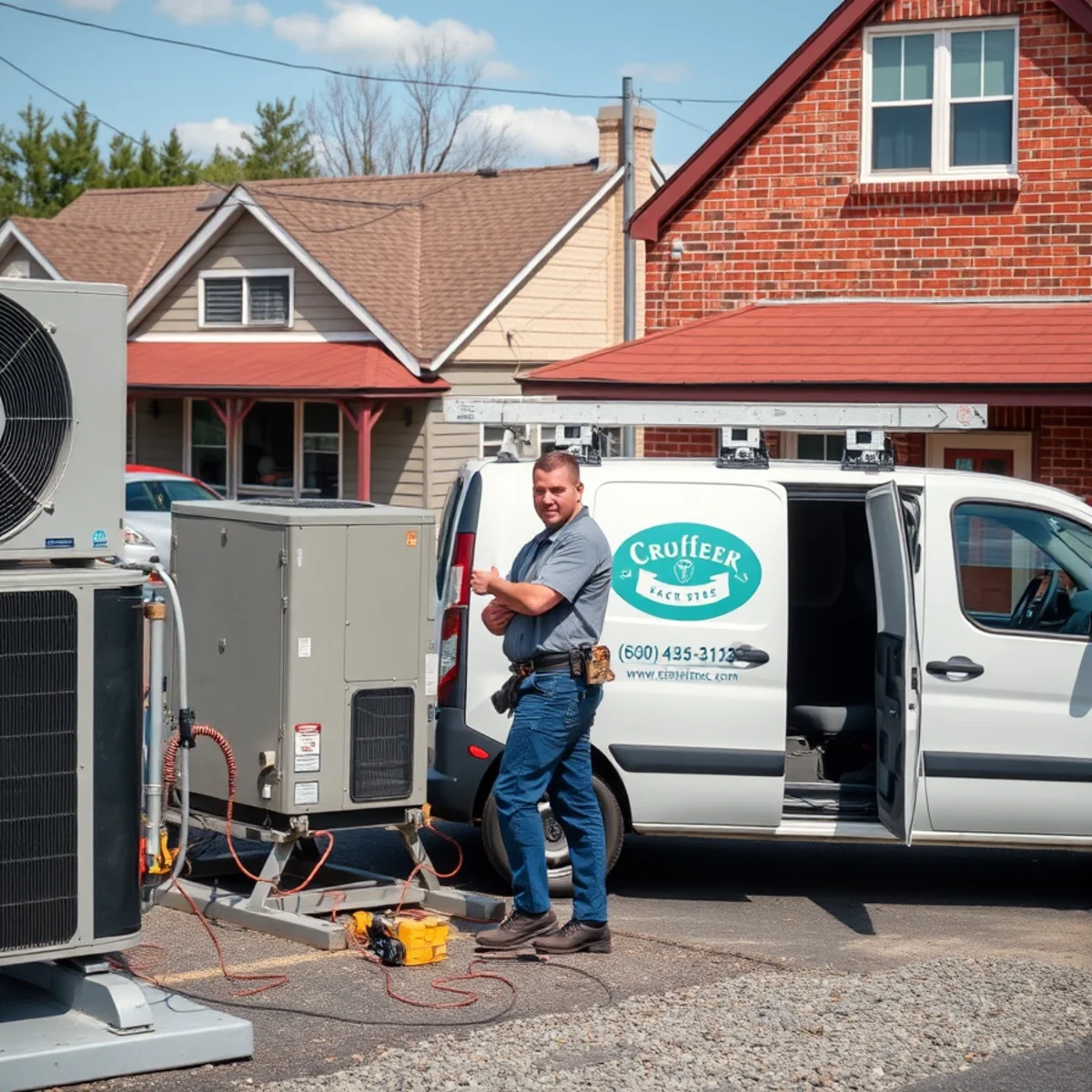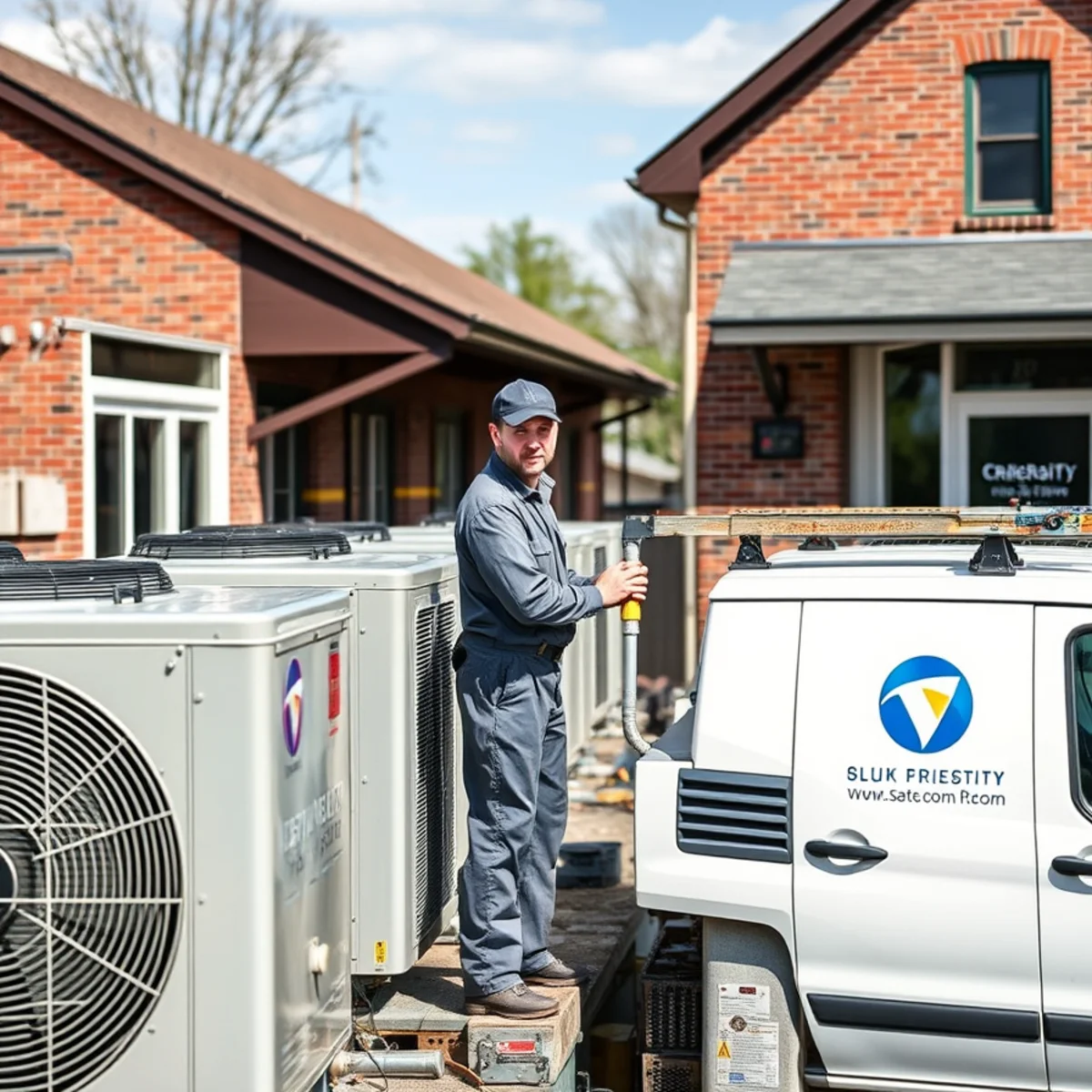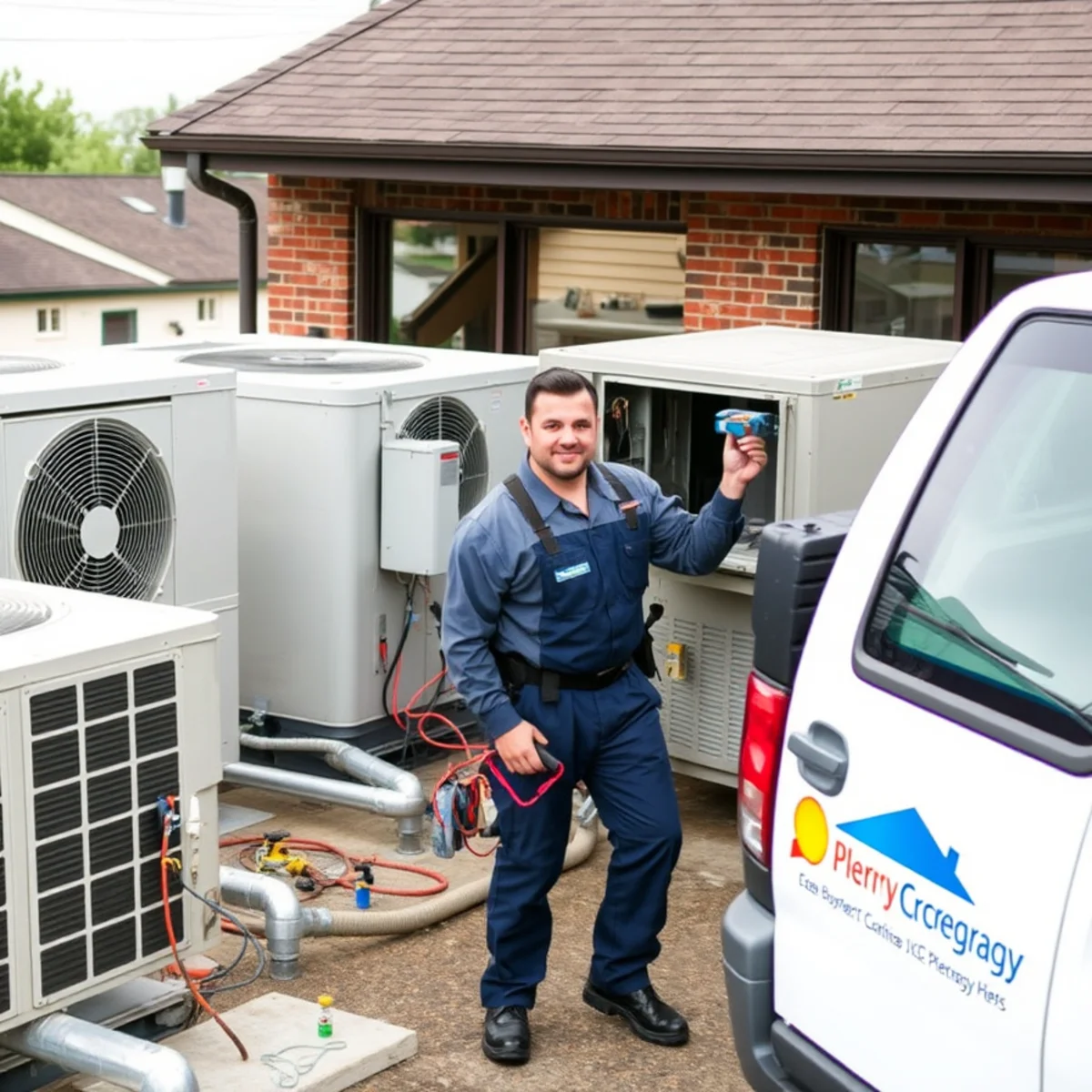
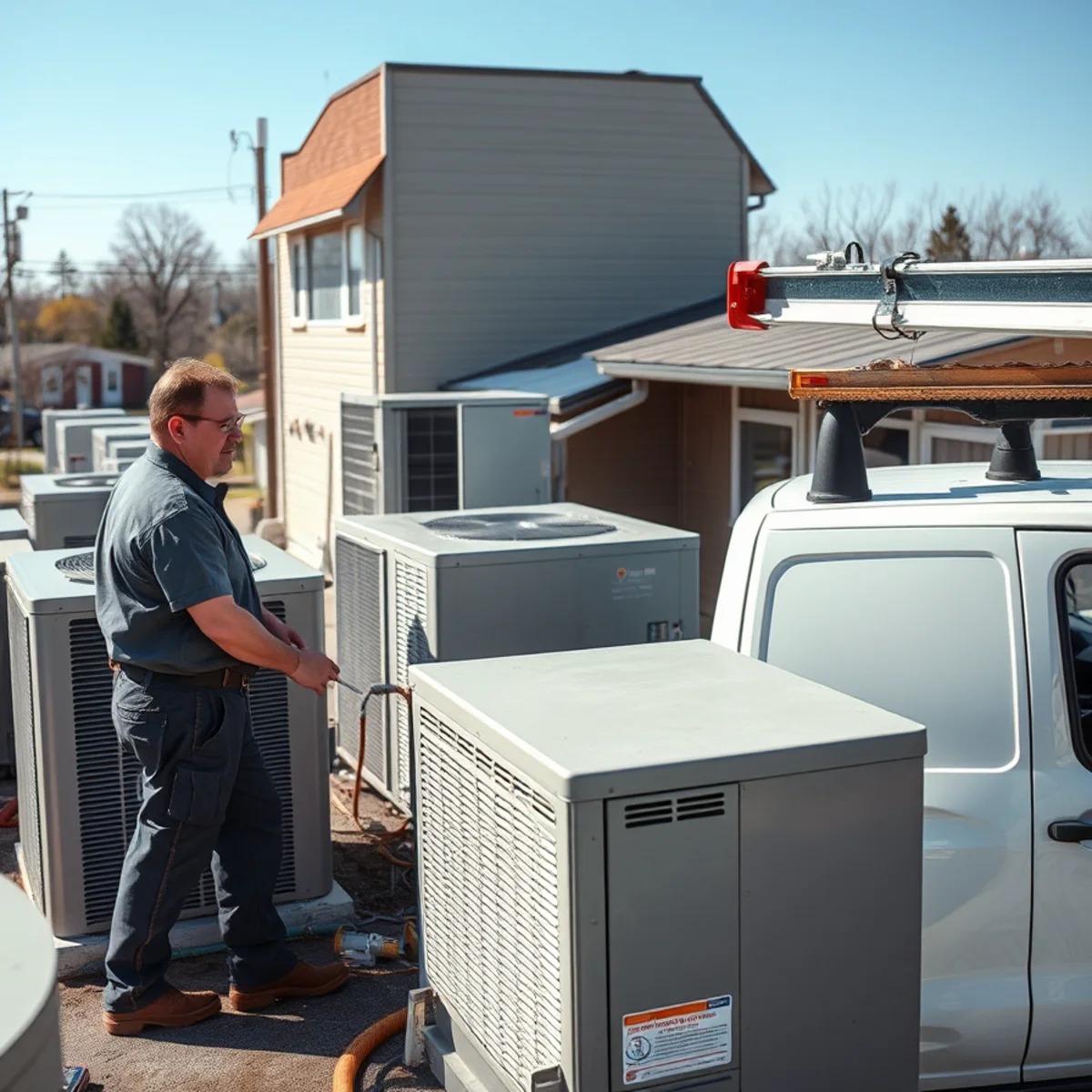
For a Mechanicsburg small business, the heating and cooling system is easy to ignore right up until the morning it will not start. Then the sales floor is too cold for customers, the back office is stifling, and every hour the equipment sits down is an hour of lost work and walk-away business. Preventive commercial HVAC maintenance is how you keep that morning from ever arriving.
Why a business system needs more than a home one
A home furnace serves one family on a residential schedule. A commercial system runs far longer hours, often 12 to 16 a day, six or seven days a week. Rooftop units sit fully exposed to Cumberland County weather, cycling through freeze-thaw winters and humid July stretches with no attic or basement to shelter them. Filters load faster from foot traffic, cooking, and dust. That heavier duty cycle means small faults progress to failures much sooner than most owners expect, and the failure almost always lands during business hours when you can least afford it.
There is a documentation angle too. A business often answers to a landlord, a franchisor, or an insurer who expects HVAC to be maintained on a schedule, and a lapse can complicate a warranty claim or a lease obligation. Keeping a clean service record is not busywork; it is the paper trail that protects you when a compressor fails a month after coverage would have applied. A maintenance program builds that record automatically, so you are never scrambling to prove the equipment was cared for.
What a real commercial maintenance visit covers
A commercial tune-up is a genuine inspection, not a filter swap and a sticker. What we check depends on your equipment, but the core work is consistent.
Rooftop units and packaged systems
- Belt tension, bearing wear, and blower motor condition on belt-drive units
- Economizer damper operation and linkage, so the unit uses free cooling when outdoor air allows
- Condenser and evaporator coil cleaning to restore heat transfer and efficiency
- Refrigerant charge and a leak check, handled by an EPA Section 608 certified technician
- Contactors, capacitors, and safety controls that fail with little warning
- Condensate drains and pans cleared before an overflow reaches the ceiling below
Split systems, ductless, and light-commercial heating
- Indoor coil, filter, and airflow verification across offices and suites
- Heat exchanger and combustion safety on gas furnaces and light-commercial boilers
- Thermostat and zoning checks so one area is not roasting while another freezes
- Ductwork inspection for leaks that quietly waste the air you paid to condition
Schedule cooling maintenance in spring before the first heat wave, and heating maintenance in early fall before the first hard freeze. Parts and appointment slots are both easiest to get before the county-wide rush, and you avoid discovering a dead unit on the worst possible day.
The uptime math of a maintenance contract
A service contract is not just a discount on visits. It is a documented, scheduled program that keeps your equipment out of the emergency queue. The honest value shows up in four places:
- 1Fewer failures. Most no-cool and no-heat calls trace to a worn belt, weak capacitor, dirty coil, or clogged drain that a seasonal visit would have caught while it was cheap.
- 2Priority response. When a heat wave does slam every contractor in the region at once, contract customers move to the front of the line instead of waiting behind new callers.
- 3Protected efficiency. A dirty coil or low charge can raise a rooftop unit's energy use noticeably, and that shows up on every monthly bill until someone corrects it.
- 4Longer equipment life and warranty coverage. Many manufacturers require documented maintenance to honor parts warranties, so a service record can decide whether a future claim is paid or denied.
We build the plan around your actual equipment, hours, and budget rather than selling a one-size package. A single-RTU cafe and a five-unit office suite need very different schedules, and the agreement should say exactly what is included so there are no surprises. It is the same scheduled HVAC maintenance discipline we bring to homes, scaled up to the run hours and access needs of a working business.
What downtime actually costs
It is easy to treat a maintenance contract as an expense and a breakdown as bad luck, but the numbers usually run the other way. When a rooftop unit dies during business hours, the cost is not just the emergency repair. It is the customers who walk out of a hot store, the staff sent home from an office nobody can work in, the perishable inventory at risk in a restaurant, and the after-hours premium on the repair itself. Set against all of that, two scheduled visits a year is a small, predictable number that buys down a large, unpredictable one.
- Lost sales and walk-away customers during the hours the space is unusable
- Staff downtime when an office or shop simply cannot operate
- Perishable inventory at risk for food-service tenants
- After-hours and emergency premiums on an unplanned repair
- Collateral damage, like a ceiling stained by an overflowing condensate pan
We are glad to help you run those numbers for your own space rather than wave a generic figure at you. The consistent lesson across the businesses we serve is simple: prevention is almost always the cheaper line item, and it is the one you can schedule.
When maintenance turns into a repair decision
Maintenance also gives us an early read on the big questions. When a technician flags a rooftop unit that is losing capacity, using phased-out refrigerant, or stacking up repairs, you get time to plan a replacement on your schedule instead of reacting to a dead unit in August. That planning window is exactly what our guide to rooftop unit repair versus replacement is built to help you use.
Serving small businesses across Cumberland County
We support storefronts, offices, restaurants, and shops throughout Cumberland County, from the downtown corridor to the office and warehouse parks along I-81 and I-83 near NSA Mechanicsburg. When something does go down mid-shift, our 24/7 emergency HVAC repair covers the gap, but the whole point of a maintenance program is to make that call rare. Owners who also lease space should read our landlord's guide to rental HVAC for how maintenance responsibilities are split with tenants.