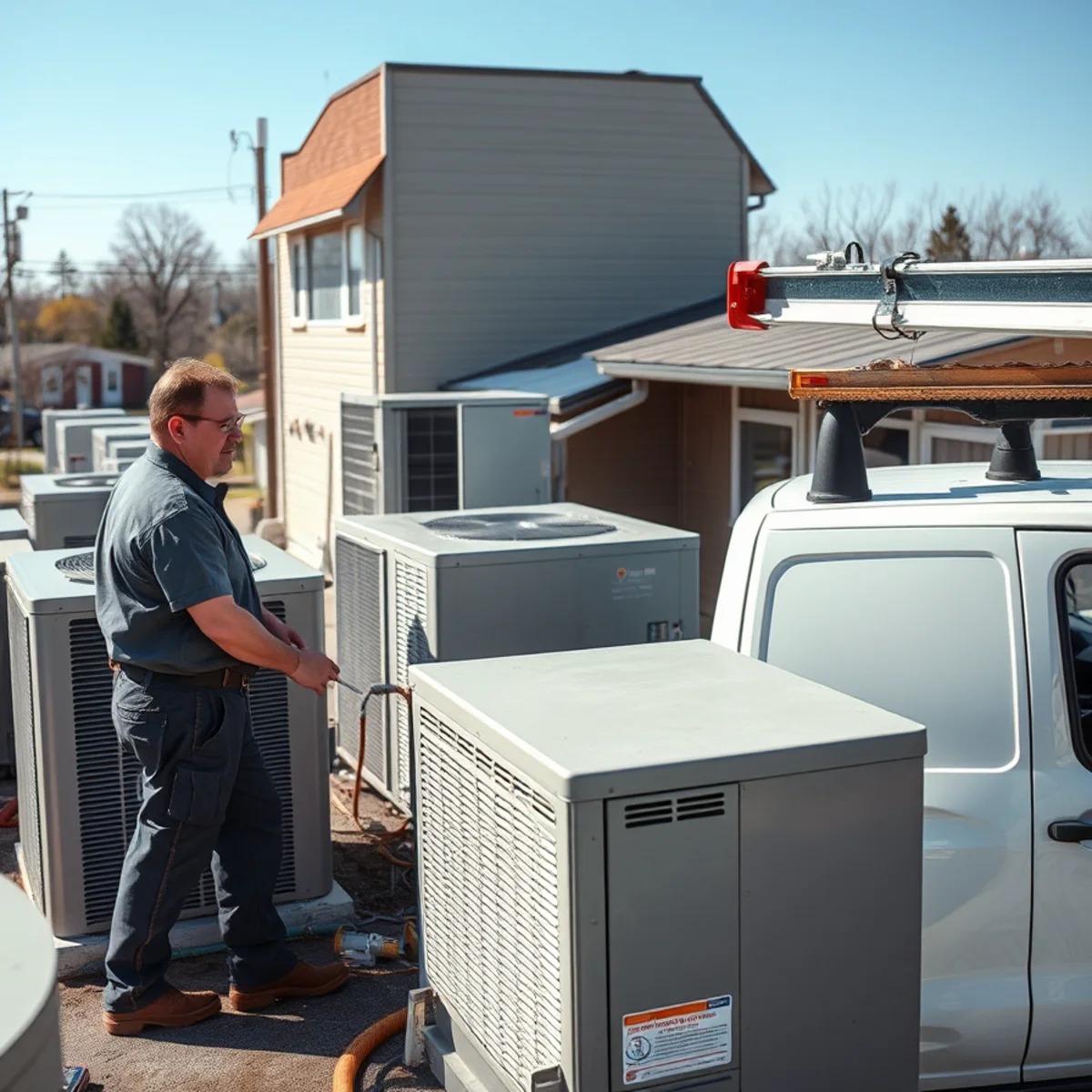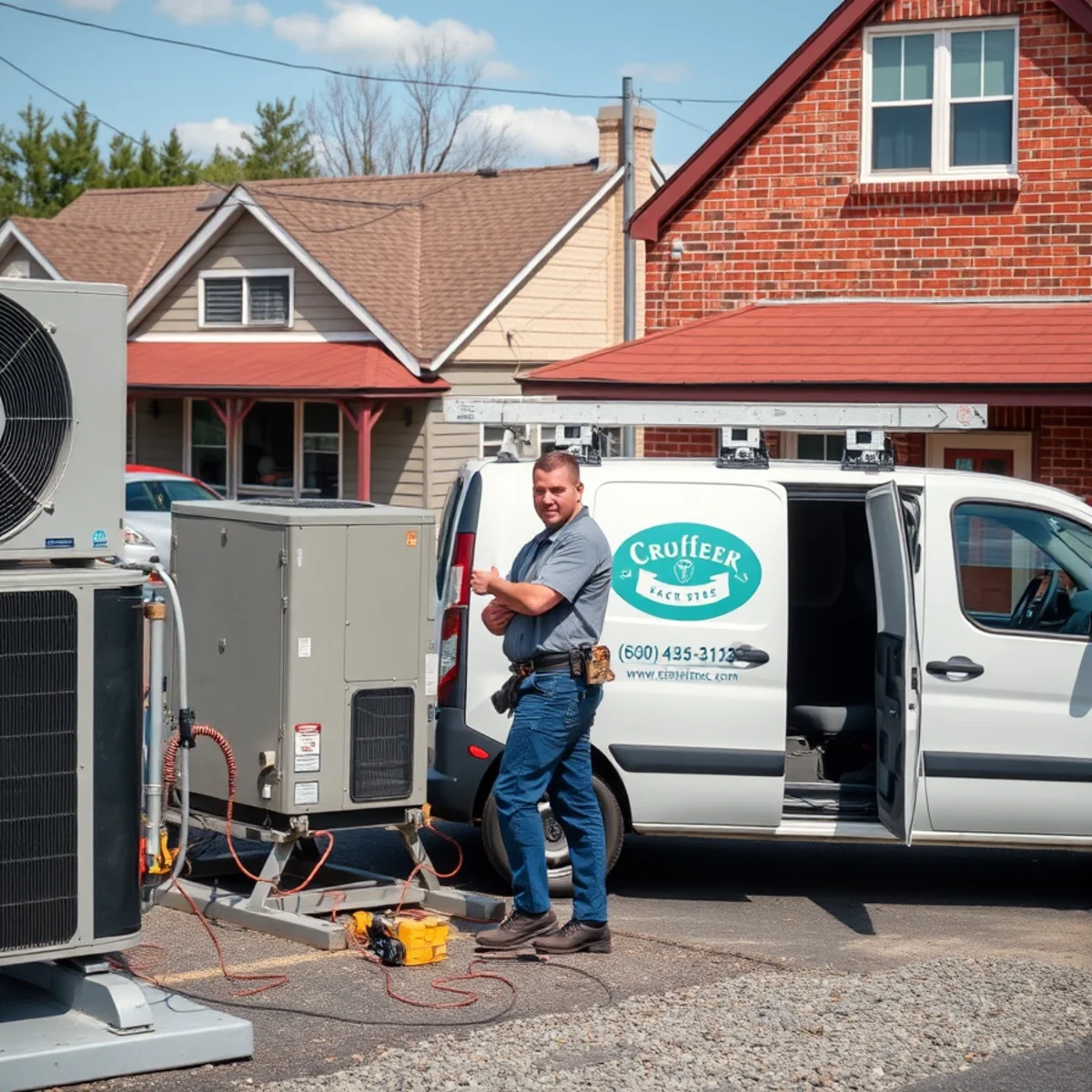
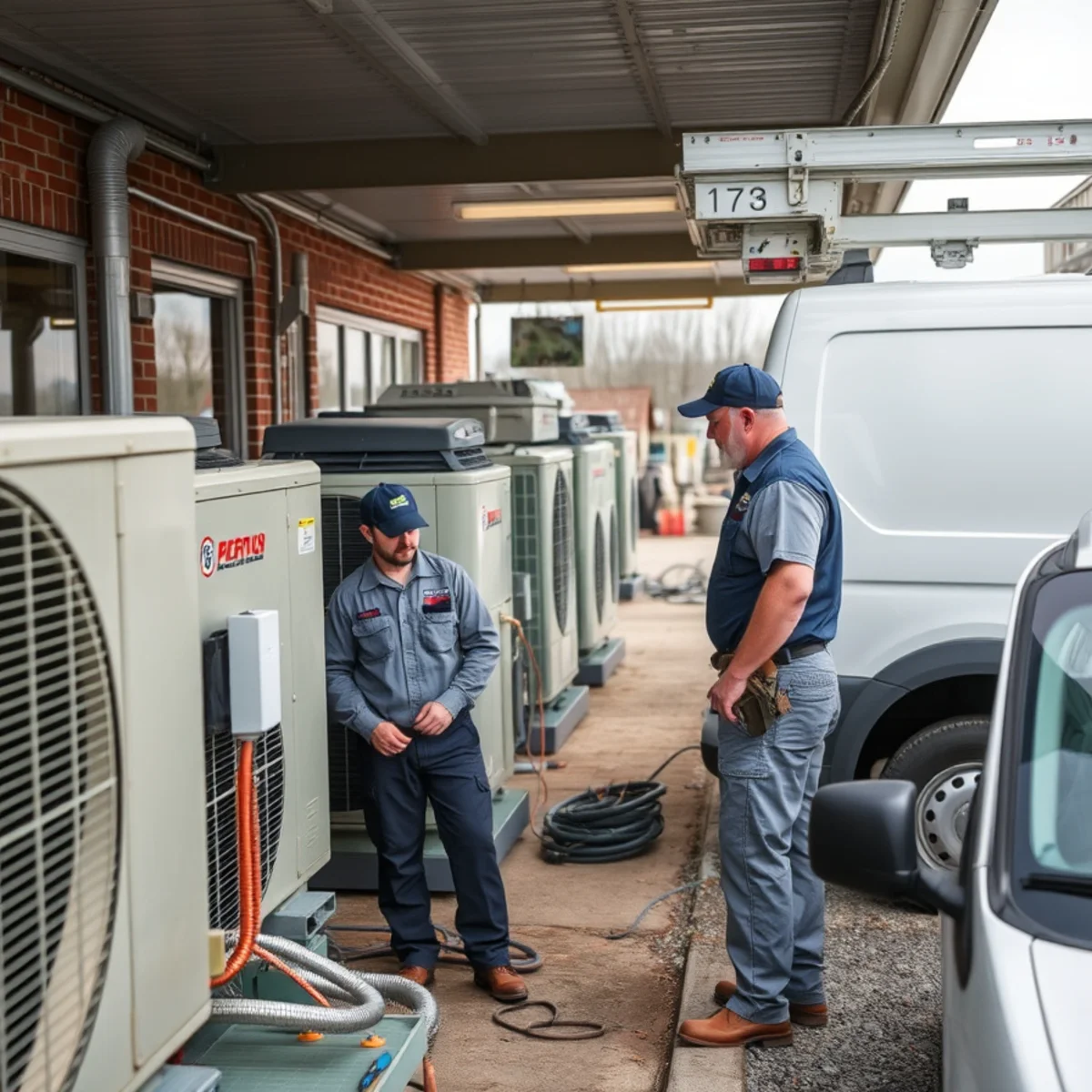
A storefront is one of the hardest spaces to keep comfortable, and most owners do not realize why until the system starts struggling. A retail space fights the same humid July stretches and cold snaps as everyone else, plus two loads a home never sees: a front door that opens hundreds of times a day, and internal heat from lights, coolers, and crowds. Getting a shop comfortable through every season means designing for those loads, not fighting them. Our commercial HVAC team keeps West Shore storefronts comfortable year-round.
The door-open load nobody budgets for
Every time a customer opens the front door in July, conditioned air spills out and hot, humid outdoor air pours in. Multiply that by a busy Saturday and the system near the entrance is essentially cooling the sidewalk. In winter the same door dumps expensive heat and lets a cold draft settle over the front of the store. This is why the area right inside the door is so often the uncomfortable spot, and why simply turning the thermostat down does not fix it.
Practical ways to tame it
- An air curtain over the entrance to hold the conditioned boundary when the door opens
- A vestibule or second door to buffer the exchange, where the storefront allows
- Zoning so the front-of-store area gets its own capacity instead of dragging down the whole system
- Well-sealed doors and weatherstripping, checked before each heating and cooling season
None of these fixes are exotic. An air curtain is a modest piece of equipment, and dedicated zoning for the entry area often makes far more difference than a bigger central unit ever would. The goal is simply to stop treating the door exchange as invisible and start designing around it, because no amount of extra capacity elsewhere in the store fixes a problem that lives at the threshold.
Internal loads: lights, coolers, and crowds
Retail spaces generate a lot of their own heat. Display lighting, refrigerated cases, kitchen or coffee equipment, point-of-sale gear, and the customers themselves all add to the cooling load. A cooler lineup or a busy lunch rush can swing the internal load dramatically within a single day. A system sized only for the building envelope, with no allowance for these gains, will run flat out and still lose ground on the busiest afternoons, exactly when comfort matters most for sales.
Mechanicsburg sees around 14 muggy July days, and a store full of people feels sticky long before the thermostat number looks wrong. A system that runs long, steady cycles pulls moisture out of the air; an oversized one that blasts cold and shuts off does not. Right-sizing for dehumidification, not just temperature, is what makes a storefront feel genuinely comfortable.
Right-sizing beats oversizing
The instinct to install a bigger unit for a busy store usually backfires. An oversized system cools the thermostat quickly, shuts off, and never runs long enough to control humidity, leaving a clammy space that feels worse than the temperature suggests. We size to the real combined load, envelope plus door exchange plus internal gains, and favor equipment that can run longer at lower output. Where a shop has awkward layouts or a back area the main system cannot reach, a ductless mini-split can add targeted capacity without a full redesign.
Signs your storefront system is losing the fight
A storefront rarely fails all at once; it degrades in ways staff learn to tolerate until customers start to notice. Catching these signs early is far cheaper than an emergency call during a Saturday rush.
- The area near the front door is always noticeably warmer or colder than the rest of the store
- The space feels sticky and humid even when the thermostat reads a comfortable number
- The system runs almost continuously on busy afternoons and still loses ground
- Comfort swings sharply between a quiet morning and a crowded lunch rush
- Summer energy bills climb with no change in hours or layout
Controls help here too. A store does not need full comfort at 3 a.m., so setting the system back during closed hours and bringing it up ahead of opening trims runtime and cost without anyone feeling the difference. We program these schedules around your actual hours rather than leaving the equipment running flat out around the clock.
A seasonal rhythm that keeps you open
Storefront comfort is a year-round job, so the maintenance should be too. Cooling gets serviced in spring before the first heat wave; heating gets serviced in early fall before the first hard freeze. A maintenance plan built around your hours keeps coils clean, airflow strong, and small faults from becoming a mid-Saturday failure. When something does go down during business hours, our 24/7 emergency HVAC repair keeps the doors open.
For older downtown buildings, the envelope itself is part of the equation. Single-pane display windows, original doors, and limited insulation all add to the load the system carries, and they shift where the comfort problems show up. We factor in the building you actually have rather than assuming a tight modern shell, which is often the difference between a plan that works on paper and one that keeps customers comfortable on the floor.
Comfortable stores on Main Street and beyond
We keep retailers comfortable throughout Downtown Mechanicsburg and the surrounding commercial districts, where older buildings, big display windows, and heavy foot traffic all complicate the comfort equation. A comfortable store is not a luxury; customers linger longer and buy more when they are not sweating or shivering, which makes storefront HVAC one of the quieter drivers of retail sales.