Knowing how long your HVAC system should last turns a surprise breakdown into a planned replacement on your schedule. In Central Pennsylvania, our humid summers and freeze-thaw winters work equipment hard, so real-world lifespans land toward the middle of the national ranges. Here is what to expect by equipment type — and what quietly shortens it.
Typical HVAC lifespans by equipment
| Equipment | Typical lifespan | Notes |
|---|---|---|
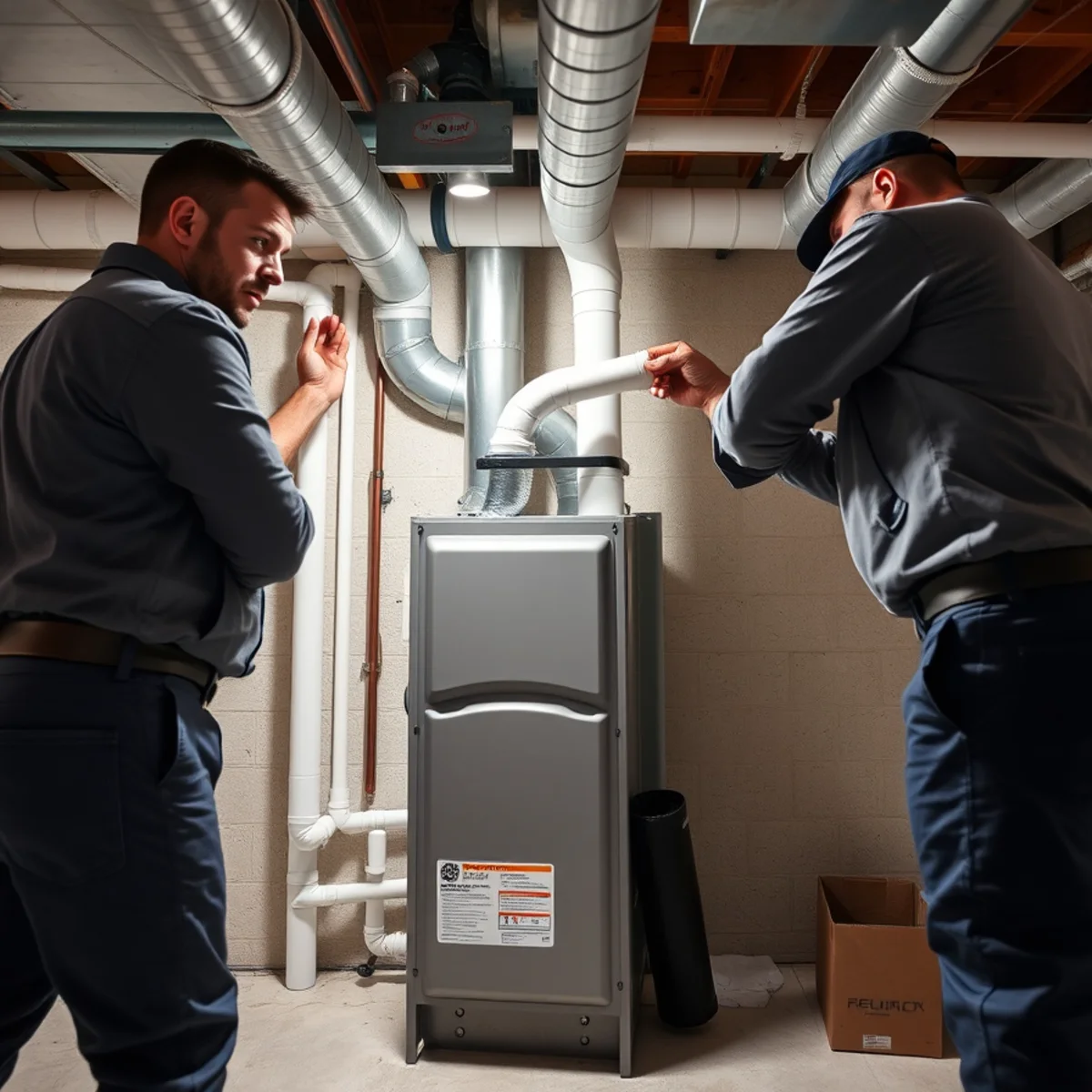
| Gas furnace | 15–20 years | Heat exchanger condition is the limiter |
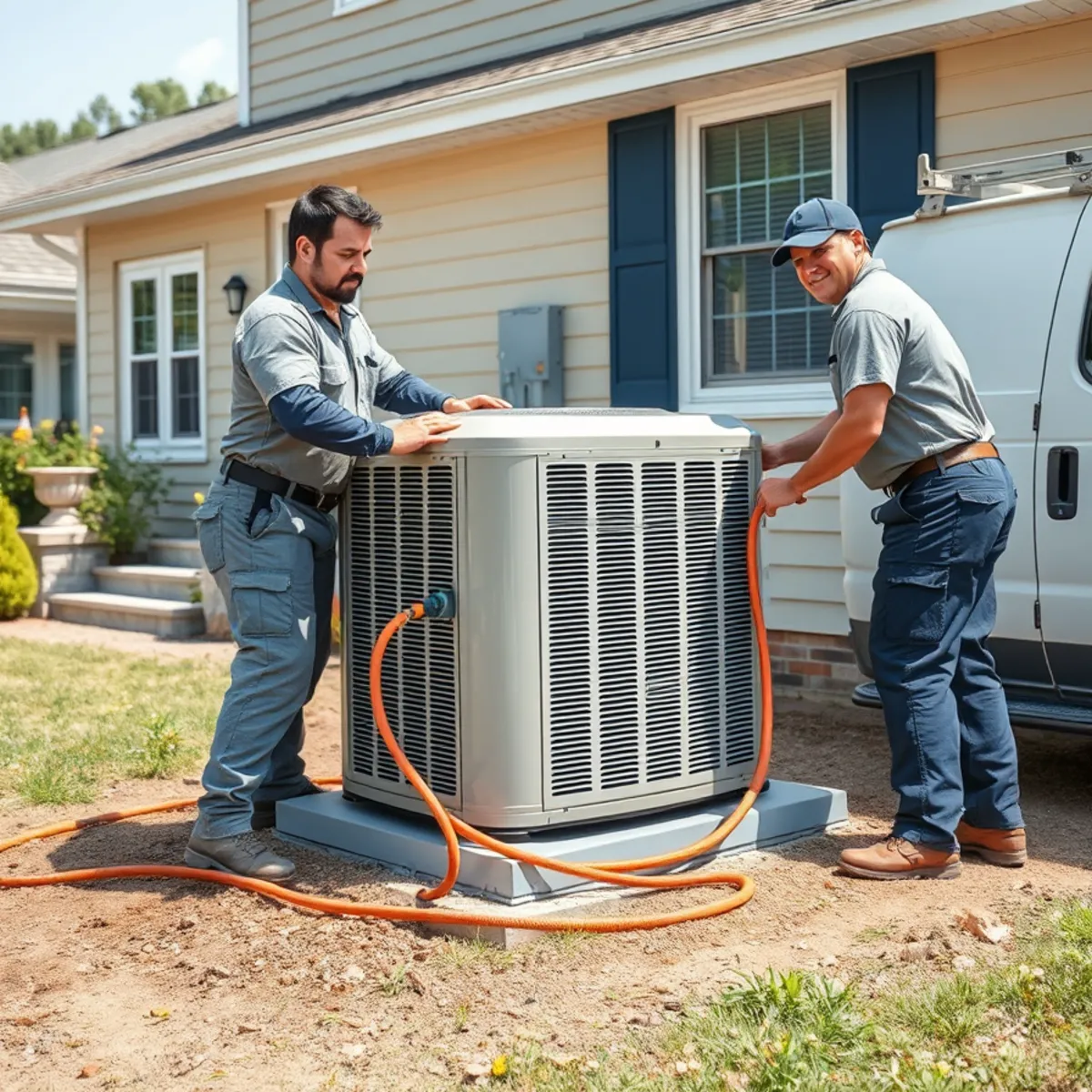
| Air conditioner | 12–15 years | Humid summers load it hard |
| Heat pump | 12–15 years | Runs year-round, so more total hours |
| Boiler (cast iron) | 20–30+ years | Can outlast several furnaces |
| Ductless mini-split | 12–20 years | Depends on use and maintenance |
| Thermostat | 10+ years | Upgrade sooner for smart features |
A well-built cast-iron boiler is the long-life champion — many in the borough’s older homes are decades old and still heating. Cooling equipment is the shortest-lived because our roughly 14 muggy July days push an air conditioner hard every summer.
What shortens HVAC life in our climate
- Skipped maintenance — the single biggest factor; dirty coils, low refrigerant, and clogged drains age equipment fast.
- Oversizing — a too-big system short-cycles, wearing parts out early (and never dehumidifying well).
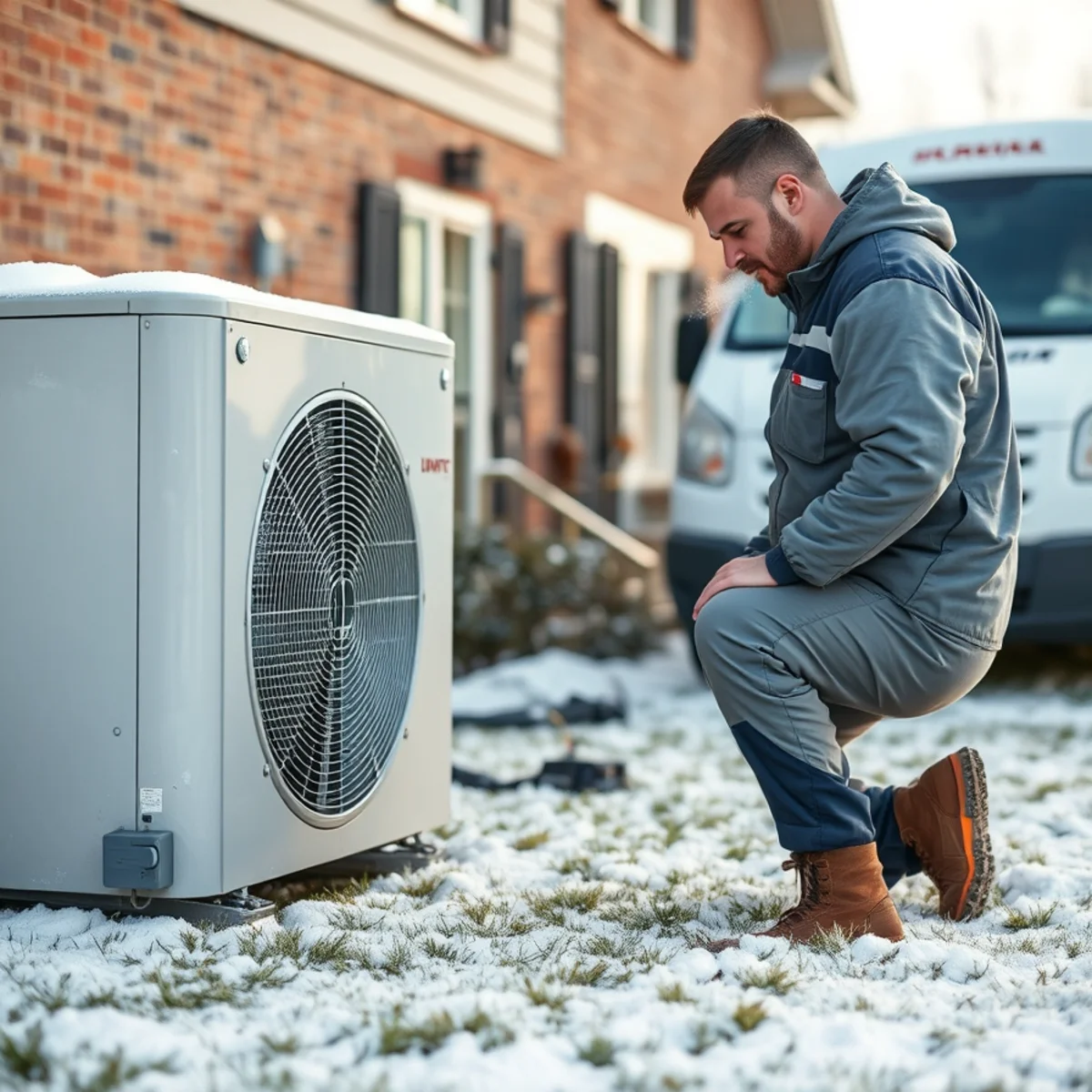
- Freeze-thaw stress — our winters swing above and below freezing, hard on condensate drains and heat-pump coils.
- Humidity and floodplain moisture — damp basements and crawlspaces corrode coils and electrical components.
- Bad ductwork — leaky or undersized ducts make the whole system work harder for less.
Signs your system is near the end
Age is only part of the picture. Watch for rising bills, repairs that stack up, uneven comfort that never improves, and a system on phased-out R-22 refrigerant. When repairs start clustering on a unit past its typical lifespan, it is time to run the repair-versus-replace math — which we cover in Boiler Replacement Cost: Repair vs. Replace Math and in our furnace repair cost guide.
When to start planning a replacement
The best replacement is the one you plan, not the one forced on you by a July failure or a January no-heat night. If your system is within a few years of its typical lifespan and starting to need repairs, that is the window to get an honest assessment and plan a replacement for a shoulder season — better scheduling, calmer decisions, and no emergency premium. Regular maintenance both extends the life you have and gives us a chance to flag the end of it early, across Cumberland County and the West Shore.