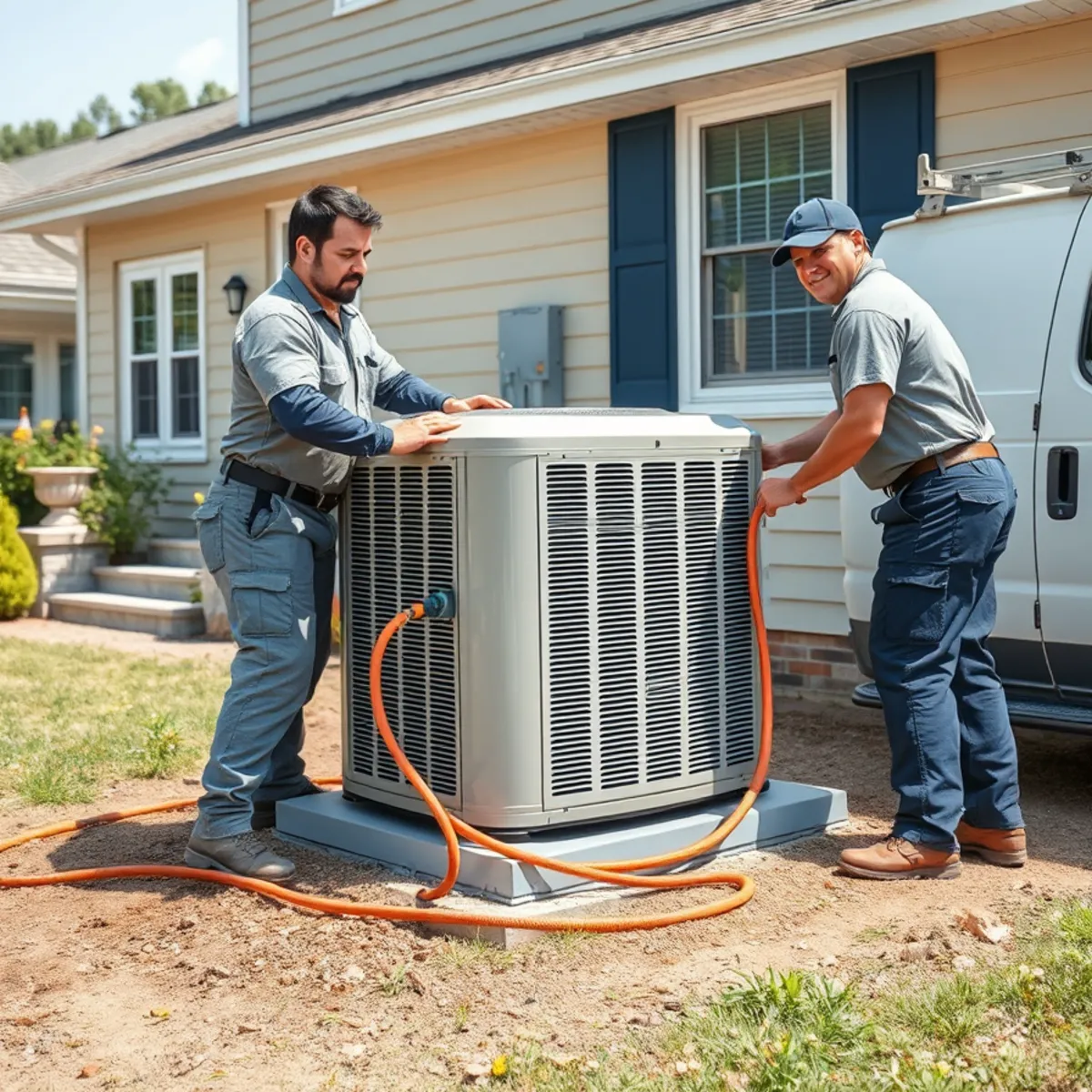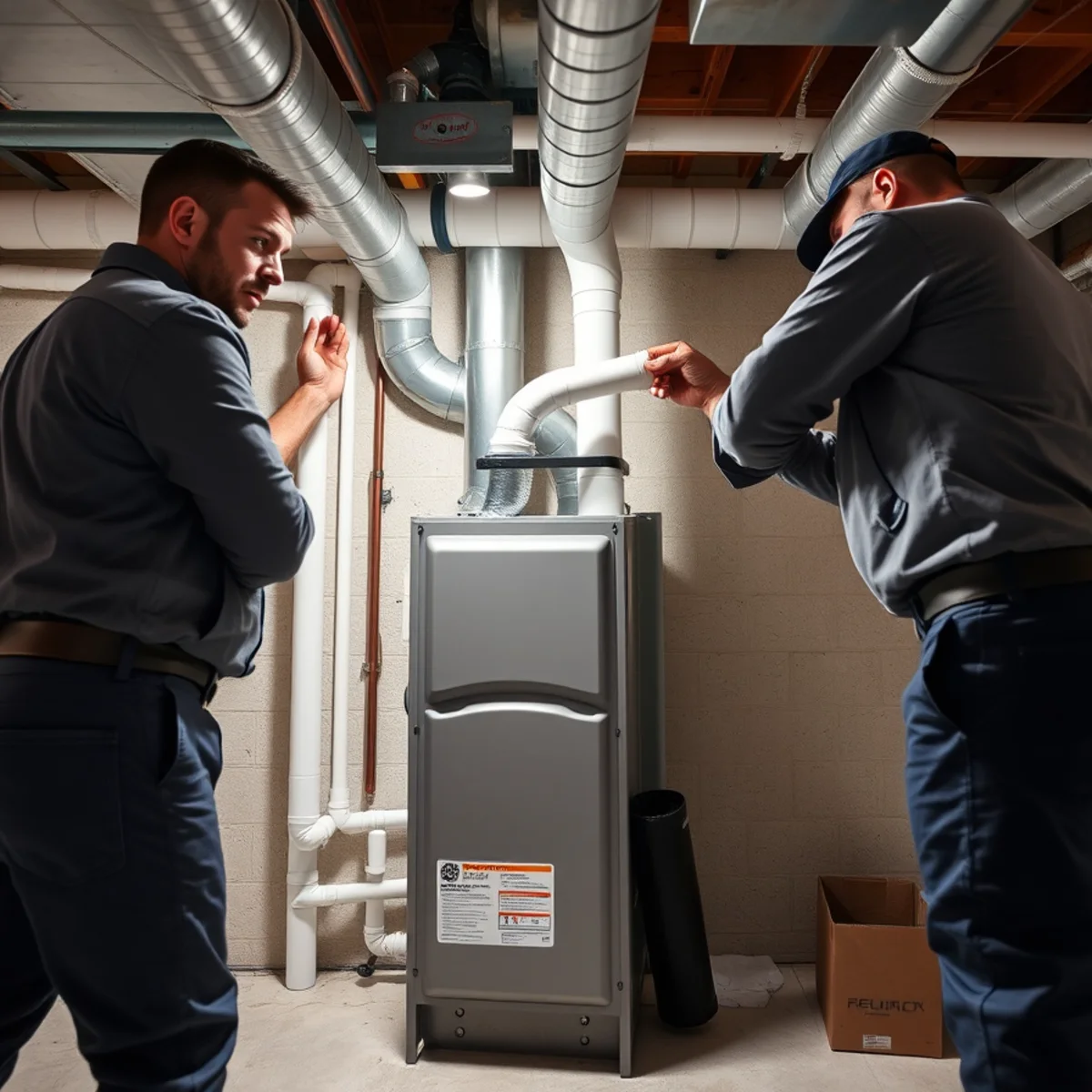
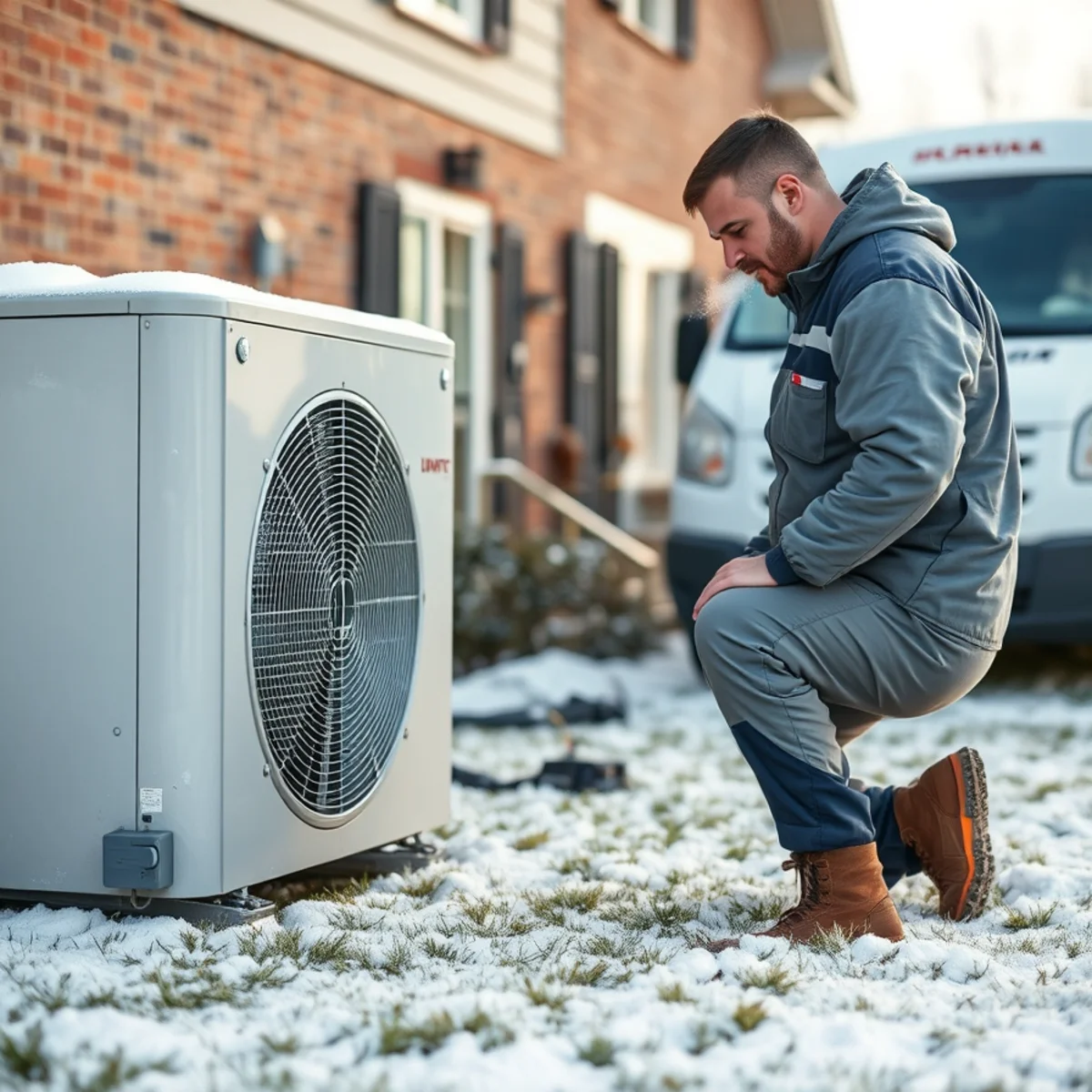
If you are replacing your heating system in Mechanicsburg, the first fork in the road is heat pump or furnace. The short answer: a furnace makes heat by burning fuel, a heat pump moves heat with electricity, and for most of our winter the heat pump is more efficient — but the coldest snaps are where the decision gets interesting. For many local homes, a dual-fuel system that pairs the two is the smartest choice of all.
How each one actually heats your home
A gas, propane, or oil furnace burns fuel to produce heat and blows it through your ducts. It makes strong, hot air and does not care how cold it is outside — performance is steady at 10°F or 40°F. A heat pump runs the air-conditioning cycle in reverse, pulling heat out of the outdoor air and moving it inside. Because it moves heat rather than creating it, it can deliver several units of heat for every unit of electricity, which is why it is so efficient. The catch: as the outdoor air gets colder, there is less heat to pull, so a heat pump gradually loses capacity.
Running cost and efficiency
This is where a heat pump shines through most of a Central Pennsylvania winter. Our winters are real but not brutal — the January average low is around 24.9°F, and most heating hours sit well above the single digits where a cold-climate heat pump runs efficiently. A modern heat pump can cut heating energy use meaningfully versus electric resistance heat, and competes closely with gas depending on local fuel and electricity prices.
| Factor | Heat pump | Furnace |
|---|---|---|
| How it heats | Moves heat with electricity | Burns gas, propane, or oil |
| Efficiency in mild/moderate cold | Excellent | Good |
| Performance in a deep cold snap | Needs backup below its balance point | Strong at any temperature |
| Cooling included? | Yes — it is your AC too | No — needs a separate AC |
| Best fit | All-electric or dual-fuel homes | Homes with cheap gas, coldest climates |
| Rebates / tax credits | Often eligible | Limited |
One underrated point: a heat pump is also your air conditioner, so replacing an aging furnace-and-AC pair with a heat pump (or a dual-fuel system) can be one project instead of two. See our AC replacement cost guide for how cooling factors in.
The Mechanicsburg climate question
Mechanicsburg sits almost exactly on the USDA Zone 6b/7a boundary, which is the sweet spot where "do heat pumps work in the cold?" stops being simple. Modern cold-climate heat pumps hold strong capacity into the teens and keep producing useful heat into the single digits. The honest answer is that a correctly sized heat pump with a backup-heat plan carries a Mechanicsburg winter comfortably. We break the cold-weather details down in Heat Pumps on the Zone 6b/7a Line.
The best-of-both answer: dual fuel
For a home that already has natural gas, you do not have to choose. A dual-fuel (hybrid) system pairs an electric heat pump with a gas furnace and switches between them automatically at a balance point we set. The efficient heat pump handles the long stretch of mild and moderate cold that makes up most of the winter, and the gas furnace takes over for the coldest snaps when it is cheaper and stronger. You get heat-pump efficiency most of the season and gas-furnace muscle when it counts — frequently the most economical setup in our climate.
Replacing an oil system? A dual-fuel conversion can pair the new gas furnace with a heat pump in one project — see oil-to-gas conversion.
So which should you choose?
- Choose a heat pump if you want efficient heating and cooling in one system, you are all-electric or want to move off oil/propane, and you want to capture rebates and tax credits.
- Choose a furnace if you have inexpensive natural gas, want the simplest strong heat for the coldest climate, and already have a sound AC.
- Choose dual fuel if you have gas and want the lowest running cost across a full Mechanicsburg winter — heat-pump efficiency with gas backup.
The wrong way to decide is a rule of thumb. The right way is a Manual J load calculation, an honest look at your fuel options and ductwork, and a backup plan sized for our climate. We lay all of that out in writing so the choice is yours, with real numbers.