
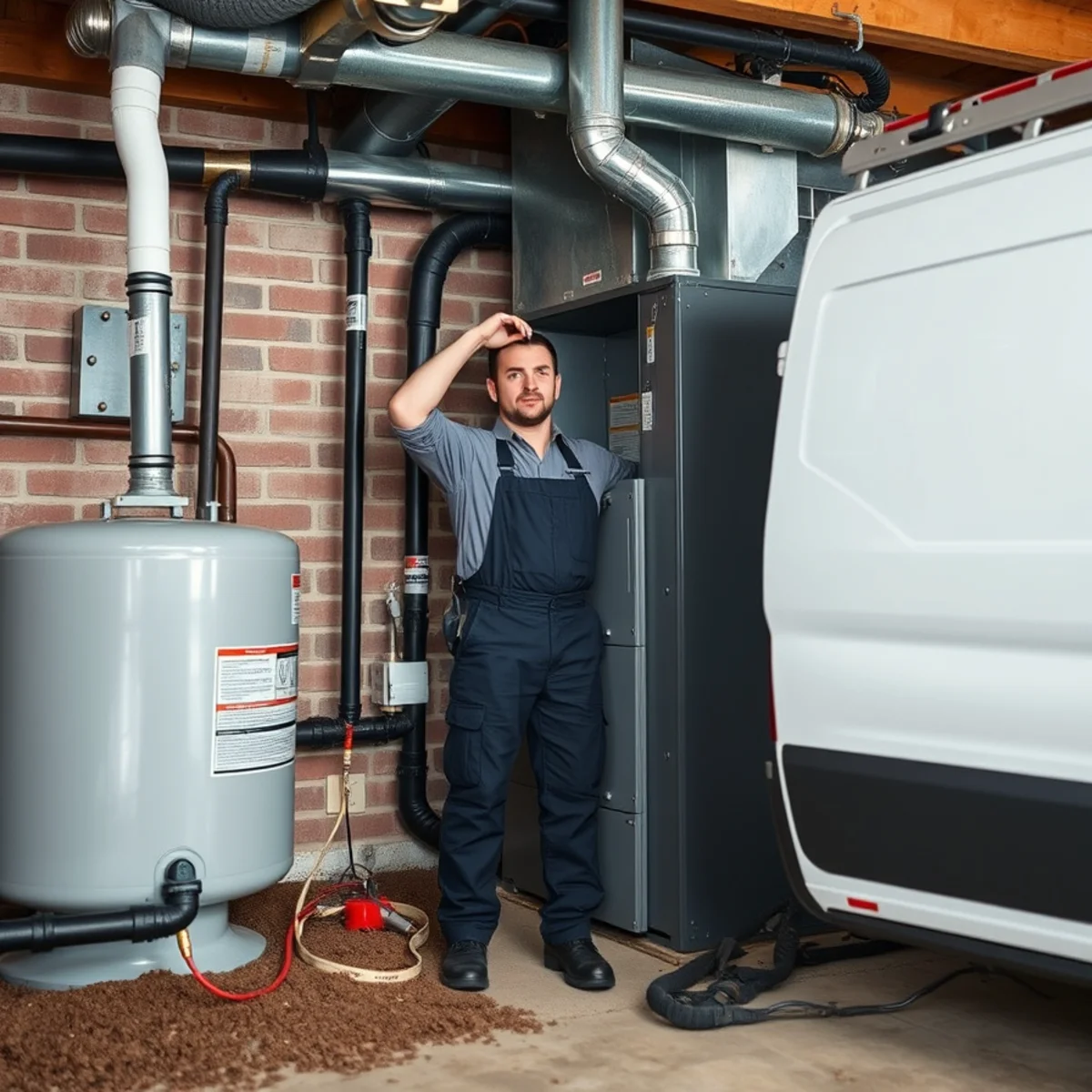
Many older Mechanicsburg-area homes and farmhouses still heat with oil or propane. Where a natural gas main is available, converting can lower operating costs, free up the space an oil tank takes, and simplify maintenance — but only if the numbers work for your home.
Is oil-to-gas conversion right for you?
The decision hinges on a few things: whether natural gas service is available on your street, the age and condition of your current furnace or boiler, and your fuel-cost math. Homes in and around the borough often have gas access; farther out in the townships and the York County fringe, propane or oil may remain the practical choice. We will tell you honestly which camp you are in.
The biggest savings come when you are already facing an aging oil system. Converting during a planned replacement avoids paying twice — read Oil-to-Gas Conversion Cost in Mechanicsburg: When the Switch Pays Off.
What a conversion involves
- Confirming natural gas availability and coordinating the utility’s service line
- Selecting a right-sized, high-efficiency gas furnace or boiler (Manual J based)
- Removing the old oil equipment and, if desired, decommissioning the oil tank
- New gas piping, venting, and combustion-air work to code
- Permit coordination, combustion testing, and a homeowner walkthrough
Consider a dual-fuel heat pump too
If you are already investing in a conversion, ask us about pairing the new gas furnace with a heat pump for a dual-fuel system — efficient electric heating in mild weather with gas backup on the coldest days. It is often the most economical long-term setup in our climate.
Honest payback, not hype
Fuel prices move, so we base the payback conversation on current numbers and your actual usage — not a rosy generic claim. If the switch will not pay off in a reasonable timeframe for your situation, we will say so.
Conversion cost and honest payback
The biggest savings from converting come when you are already facing an aging oil system — converting during a planned replacement avoids paying twice. Fuel prices move, so we base the payback conversation on current numbers and your actual usage rather than a rosy generic claim, and if the switch will not pay off in a reasonable timeframe for your situation, we will say so. Your written quote covers the new gas equipment, gas piping and venting, old-equipment removal, permits, and utility coordination.
Why choose HVAC Mechanicsburg PA for oil-to-gas conversion
A conversion touches gas piping, venting, combustion air, and sometimes the electrical service — work that has to be done to code and commissioned properly. We handle the whole project, coordinate the gas utility, size the new furnace or boiler with a Manual J calculation, and give you straight payback math instead of a sales pitch. It is the licensed, insured, EPA 608-certified standard behind our 4.9-star record.
- Gas availability confirmed with the utility as the first step — no assumptions
- Right-sized high-efficiency gas furnace or boiler, permitted and commissioned
- Old oil equipment removed and, if you choose, the tank decommissioned
- Option to add a heat pump for a dual-fuel system while the work is open
What an oil-to-gas conversion involves
A conversion is more than swapping a furnace. First we confirm natural gas is actually available on your street and coordinate the utility’s service line if it is not already at the house. Then we select a right-sized, high-efficiency gas furnace or boiler based on a Manual J load calculation, remove the old oil equipment, and — if you choose — decommission the oil tank to reclaim the space and end the tank maintenance. New gas piping, venting, and combustion-air work are done to code, followed by permit coordination, combustion testing, and a homeowner walkthrough.
Because the work is already open, a conversion is also the natural moment to consider a dual-fuel setup — pairing the new gas furnace with a heat pump so the efficient heat pump handles mild and moderate cold and the gas furnace covers the coldest days. For many Central Pennsylvania homes that is the most economical long-term configuration, and doing it during the conversion avoids paying for a second project later.
Reclaiming the space an oil tank takes
Beyond the fuel savings, one underrated benefit of converting is getting your basement back. An oil tank — and the fill lines, the vent, and the years of maintenance and inspection that come with it — occupies real space and mental overhead. As part of a conversion, many homeowners choose to decommission or remove the tank, ending the tank upkeep and reclaiming the floor. Natural gas also arrives by pipeline, so you are done scheduling deliveries and watching a gauge through a cold snap. We handle the equipment, the piping, and the tank decisions together, so the conversion leaves you with a cleaner, simpler mechanical room rather than a half-finished project.
If gas is not available on your street, we will say so plainly rather than pushing a conversion that cannot work — and we will help you weigh a high-efficiency oil system, propane, or a heat pump instead. The goal is the right long-term decision for your home, not a conversion for its own sake.
Conversions across the Mechanicsburg area
Homes in and around the borough often have gas access, while farther out in the townships and the York County fringe propane and oil remain common — we serve both across Cumberland County. Conversions are frequent in Upper Allen, Shiremanstown, and older neighborhoods like Simpson Street where a gas main is available.