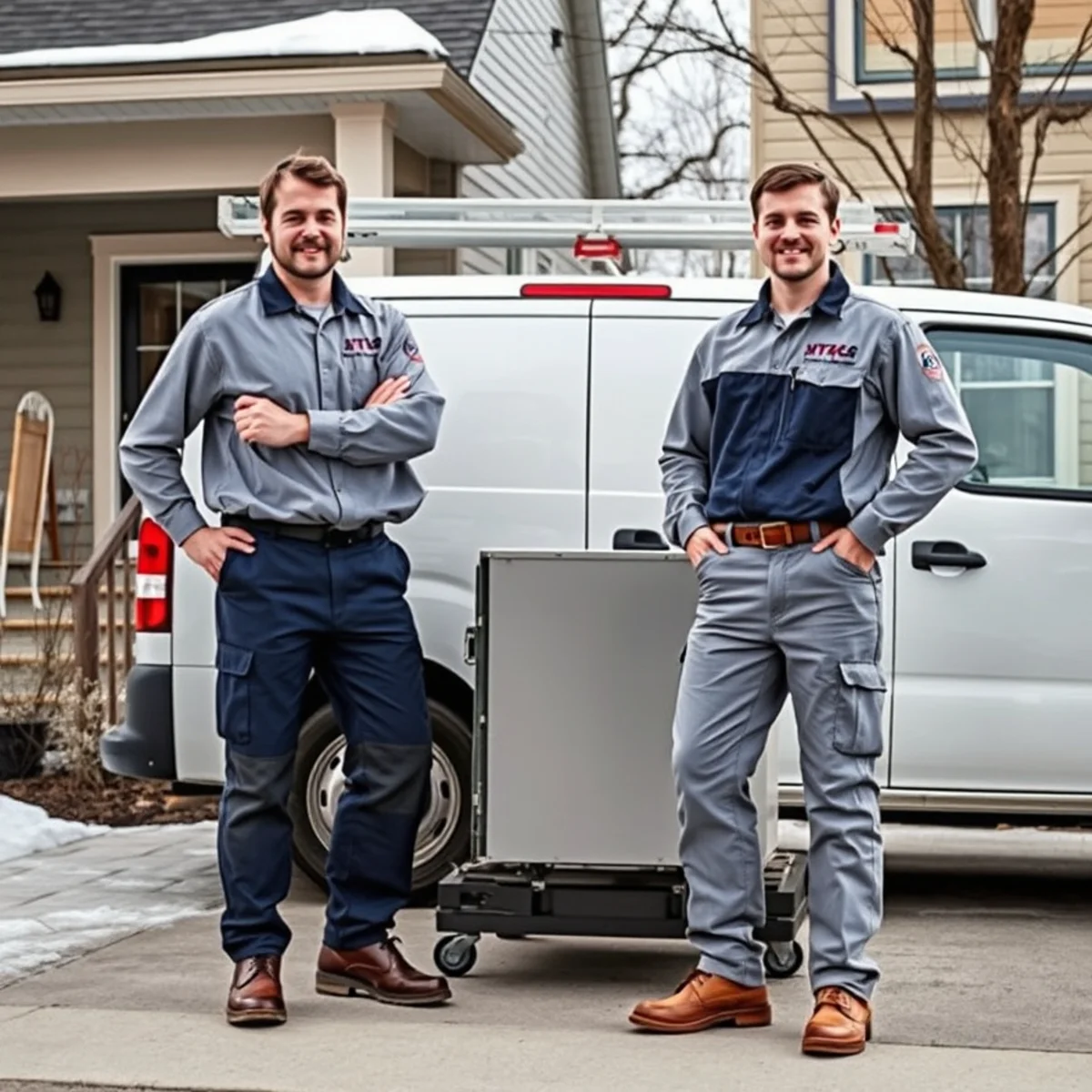

The Yellow Breeches Creek winds along the southern edge of the Mechanicsburg area before it reaches the Susquehanna, and the low ground on either side of it defines a lot of homes in Upper Allen Township and down toward Monroe Township. If you live in that floodplain, or in one of the low pockets that drains poorly, you already know the signs: a basement that smells earthy in August, a sump pump that runs after every real rain, and a water table that sits close enough to the slab that the floor sweats.
That moisture is the enemy of every piece of mechanical equipment in the house. A furnace, air handler, or heat pump air handler is a box of steel, copper, and electronics sitting in the dampest room in the building. You do not have to live with a rusting system and musty air — but protecting HVAC in a floodplain home takes a plan that starts well before the creek rises.
Why floodplain homes punish HVAC equipment
There are two separate moisture problems here, and they call for different responses. The first is chronic humidity: a high water table keeps the basement damp all summer, feeding corrosion, mold, and that persistent musty smell. The second is acute flooding: a storm that puts standing water on the basement floor, which can submerge a furnace or the base of an air handler and condemn it outright.
Chronic damp is the quieter killer. Constant humidity rusts cabinet panels and the heat exchanger, corrodes electrical contacts and control boards, and turns a cool coil into a mold farm. It also loads your cooling system, because muggy basement air migrates upstairs and makes the AC work harder to keep the house comfortable.
If floodwater reaches the burners, gas valve, or control board of a furnace, or the electrical of a heat pump, that equipment should be evaluated before it is ever fired again. Submerged gas controls and corroded safety switches are a genuine hazard — never assume a flooded system is safe just because it powers on.
Get the equipment up and out of the water
The single most effective step in a floodplain home is elevation. Where the mechanical layout allows, we set furnaces and air handlers on a raised platform or stand so the burners, controls, and electrical sit above the level a routine storm reaches. For homes with a history of real flooding, relocating the equipment to a higher floor or a mechanical closet on the main level takes it out of harm's way entirely.
- Raise the furnace or air handler on a code-compliant platform above the likely flood level
- Raise the outdoor heat pump or AC condenser on a taller pad if it sits in a low spot
- Keep the condensate drain and any pump discharge tied into a system that will not back up
- Protect ductwork that runs low in the basement, where it can trap water and grow mold
Control the humidity you cannot drain away
Elevation handles the flood; it does nothing for the everyday damp. For that, a whole-home dehumidifier tied into the system is the workhorse. Unlike a portable unit you empty by hand, a ducted dehumidifier pulls the whole basement and living space down to a target humidity and drains automatically — which is exactly what a floodplain home needs through a Cumberland County summer. Our indoor air quality work in these homes almost always centers on humidity control, because dry air is what stops the musty smell, the mold, and the slow corrosion.
The duct system matters too. In a damp basement, leaky return ducts pull humid, sometimes moldy air out of the crawl spaces and low corners and distribute it through the house. Sealing and correcting that ductwork keeps the system from spreading the very moisture you are fighting. When we pair ductwork services with dehumidification, the difference in how a floodplain home smells and feels is immediate.
A simple moisture-defense checklist
- 1Keep the sump pump serviced and add a battery backup — a power outage during a storm is exactly when it must run.
- 2Run a whole-home dehumidifier to a set target, not a portable you forget to empty.
- 3Raise mechanical equipment above the flood level wherever the layout allows.
- 4Seal basement return ducts so the system is not distributing damp, musty air.
- 5Have the system inspected after any event where water reaches the mechanical room.
After the water recedes
If a storm does put water around your equipment, safety comes first. Do not restart a furnace or heat pump that was standing in floodwater until a technician has checked the gas controls, electrical, and safety switches — corroded or waterlogged combustion controls are dangerous. We inspect the burners, heat exchanger, wiring, and the coil, then give you an honest read on what is salvageable and what has to be replaced. Sometimes a quick-acting flood only wet the base and the unit is fine; sometimes the electronics are gone. Either way, you get the truth in writing, not a guess.
Living near the Yellow Breeches does not mean living with a rusting system and a basement that smells like a cellar. It means building moisture defense into the HVAC plan from the start — elevation, humidity control, sealed ducts, and a system inspected after every real event.