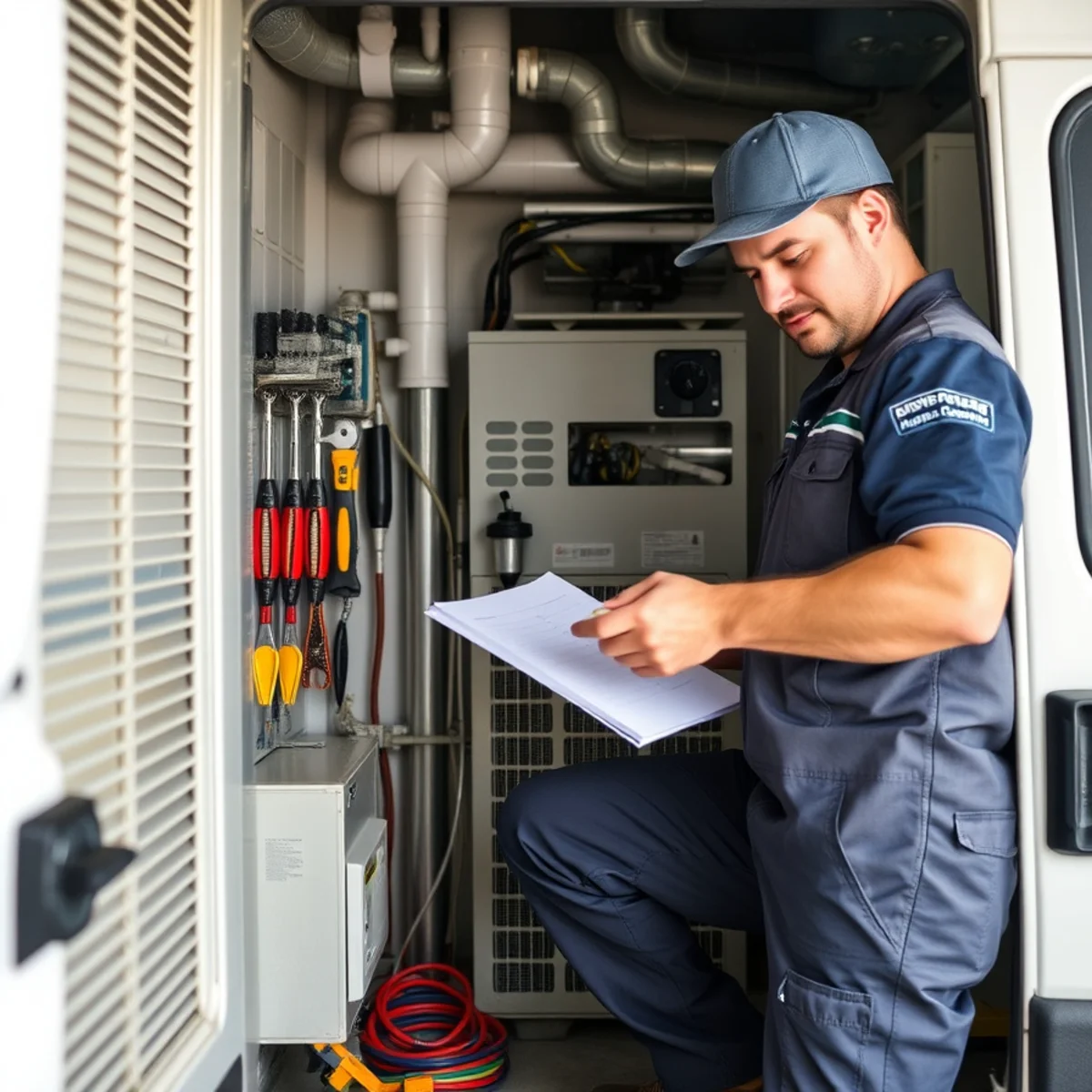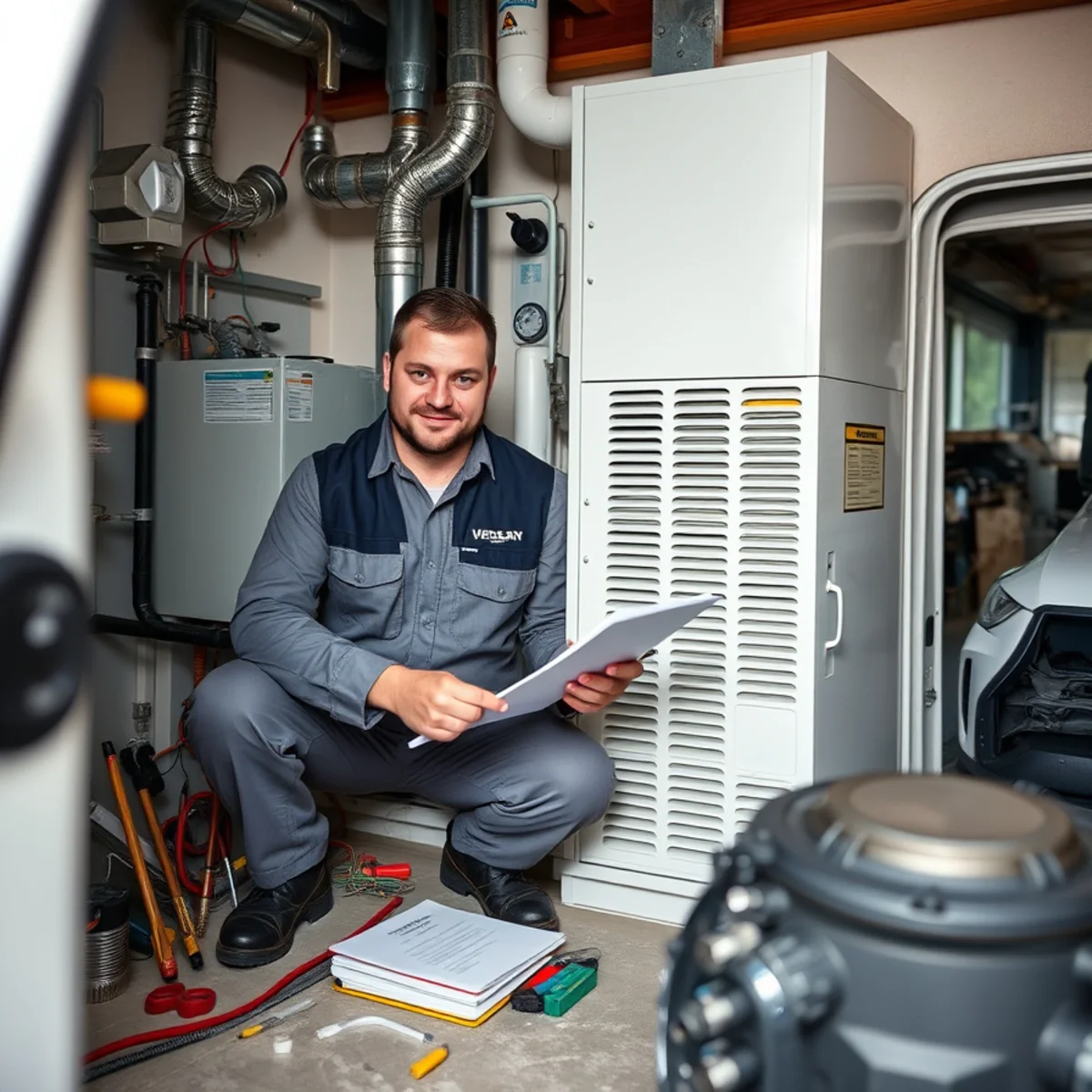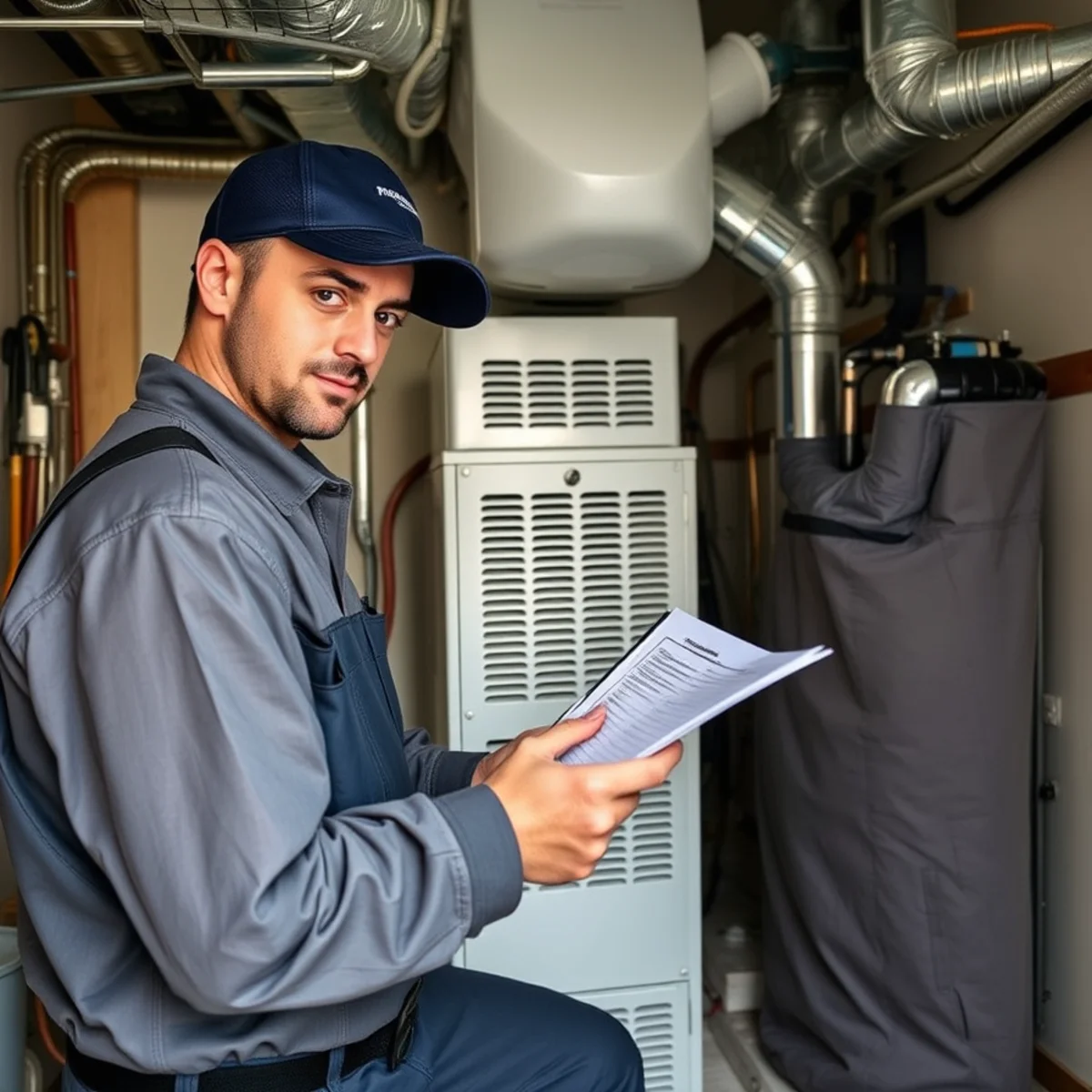

A furnace almost never quits on a mild October afternoon. It quits on the first genuinely cold night, when it fires up hard after months of sitting idle and a worn part finally gives out. That is exactly why a fall tune-up pays for itself in Mechanicsburg: you find the weak igniter or the cracked flame sensor in September, on your schedule, instead of at 2 a.m. in January when the outdoor temperature is sitting near our average low of 24.9°F.
This checklist splits the work honestly. Some of it you can and should do yourself. Some of it involves combustion, gas pressure, and electrical testing that legally and safely belongs to a licensed technician. Knowing the difference keeps you safe and keeps your money where it matters.
Why fall is the right window in Cumberland County
Our heating season runs long and cold. The first hard freeze usually lands in mid-to-late October, and the furnace then works nearly non-stop until spring. Booking a tune-up in September or early October means parts are in stock, appointment slots are open, and any repair a technician flags can be handled before you actually need the heat. Wait until the first cold snap and you are competing with every other homeowner in the county who did the same.
What you can safely do yourself
These tasks require no tools you do not already own and touch nothing dangerous. Do them before your professional visit and the whole system runs better.
The homeowner fall checklist
- Replace the air filter with the correct size and MERV rating. A clogged filter is the single most common cause of nuisance shutdowns and short cycling.
- Clear at least three feet of space around the furnace and the return grilles. Stored boxes, laundry, and paint cans block airflow and become a fire risk.
- Vacuum dust from supply and return registers throughout the house, and make sure furniture and rugs are not covering them.
- Test every smoke and carbon monoxide detector, and replace batteries. Put a CO detector near sleeping areas if you do not have one.
- Set the thermostat to heat and confirm it actually calls for heat. If you have a programmable or smart thermostat, load your winter schedule now.
- Check that the furnace switch (it looks like a light switch, usually on or near the unit) is on, and that the panel door is seated so the safety interlock closes.
- Walk outside and confirm the high-efficiency intake and exhaust PVC pipes are clear of nests, leaves, and mulch.
On a cool evening, turn the heat on and let the furnace run a full cycle. You will smell the season’s first dust burn off — that is normal. What is not normal is a boom on ignition, a burning-plastic smell, or the system starting and stopping every couple of minutes. Note anything odd and mention it when you book, so the technician knows where to look first.
What a licensed technician has to handle
Everything below involves combustion byproducts, fuel, or line voltage. This is not a DIY zone, and no honest guide will tell you otherwise. A proper furnace tune-up from a licensed heating technician in Mechanicsburg covers all of it.
- Inspecting the heat exchanger for cracks — a cracked exchanger can leak carbon monoxide into your living space.
- Cleaning and testing the burners, igniter, and flame sensor, and measuring the flame signal.
- Verifying gas pressure and the temperature rise across the furnace against the manufacturer’s spec.
- Testing the safety controls: the high-limit switch, the pressure switch, and the rollout switch.
- Checking the draft, the flue, and combustion for high-efficiency and standard-vent units alike.
- Measuring capacitor health, tightening electrical connections, and confirming the blower motor amperage.
- Clearing the condensate trap and drain on 90%-plus AFUE furnaces, which produce acidic condensate that can clog and back up.
Combustion safety is the part you cannot skip
The heat exchanger and combustion check is the reason a tune-up is worth more than a filter swap. A hairline crack is invisible from the outside and can send carbon monoxide into the airstream. A technician uses instruments — a combustion analyzer and a CO reading — to confirm the furnace is burning cleanly. That is a safety verification you simply cannot perform yourself, and it is why we treat it as the anchor of the visit rather than an add-on.
A room-by-room fall walkthrough
- 1Basement or utility closet: clear the area, replace the filter, confirm the furnace switch is on.
- 2Main floor: test the thermostat, confirm registers are open and unblocked, run a full heat cycle.
- 3Bedrooms and hallways: test CO and smoke detectors, feel for weak or cold registers that hint at a duct or balance problem.
- 4Exterior: check the intake and exhaust terminations, and make sure snow and mulch will not bury them once winter arrives.
When a tune-up turns into a repair
Sometimes the fall check finds a real fault — a failing inducer motor, a weak igniter, a control board on its way out. That is a good outcome, not a bad one, because you found it in September with time to fix it. If a repair is needed, we show you the failed part and a written price before any work starts. Read more about the common faults in our furnace repair guide, and know that we will always tell you honestly whether a repair or a planned replacement is the smarter spend.
A tune-up in the Mechanicsburg area typically runs a modest flat fee, and it protects both your comfort and, on many systems, your manufacturer warranty. If you own a home anywhere across Cumberland County — from the borough core to the newer developments in the townships — booking that visit before the first hard freeze is the cheapest insurance you can buy against a no-heat night.